
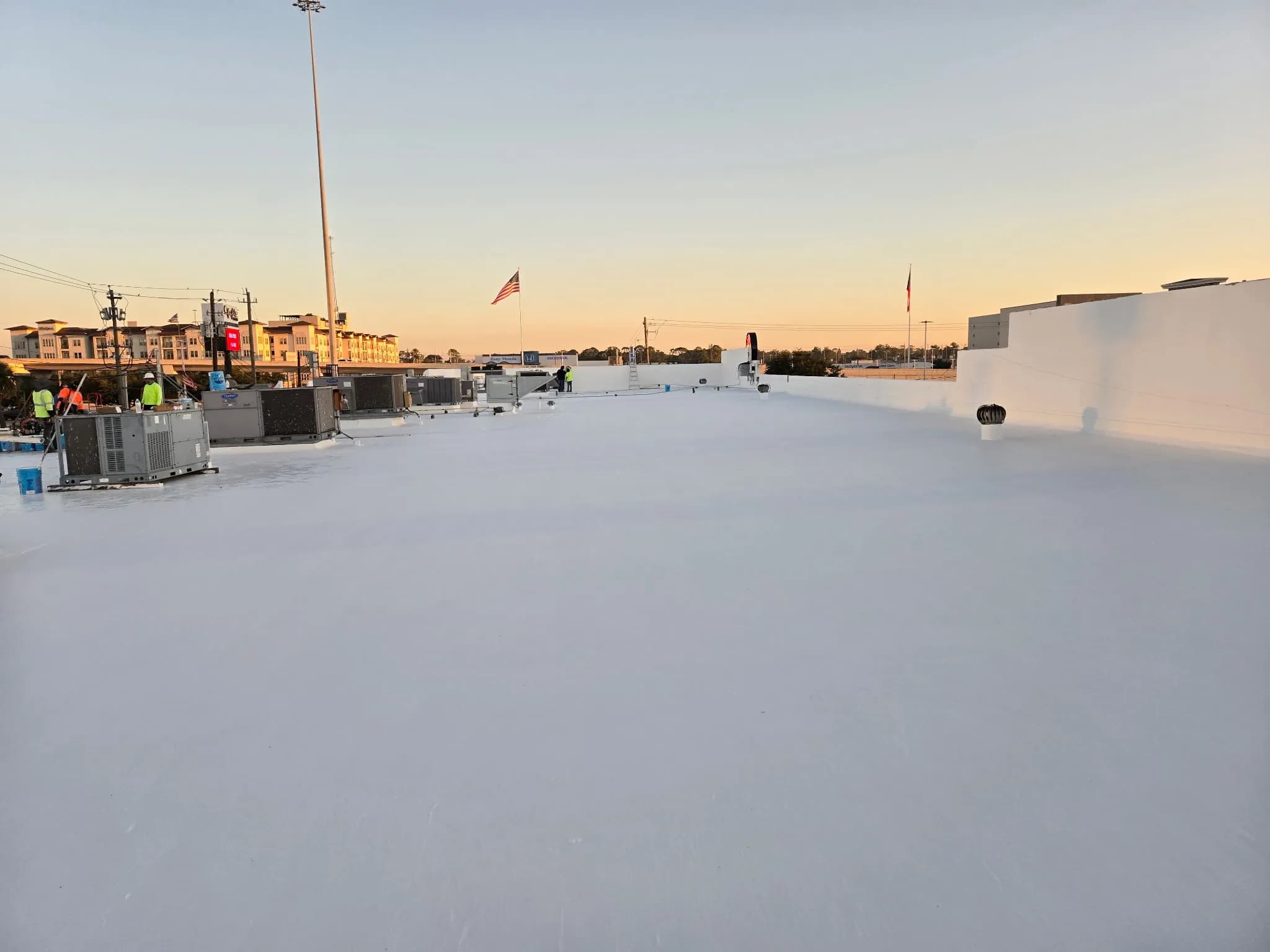
Preserve. Protect. Renew.
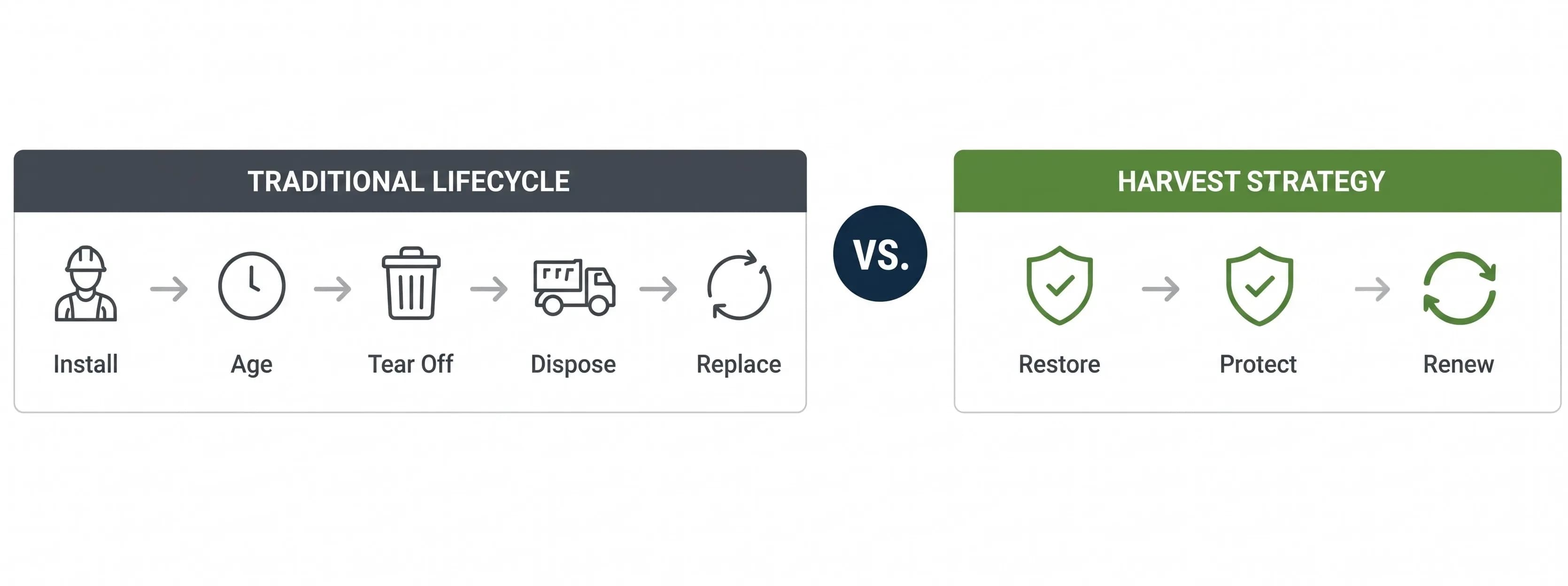
When an existing roof is a good candidate, Harvest corrects the vulnerable details and installs a continuous, fabric-reinforced membrane over the existing assembly. Later, the protective surface can be renewed rather than automatically beginning another tear-off-and-replacement cycle.

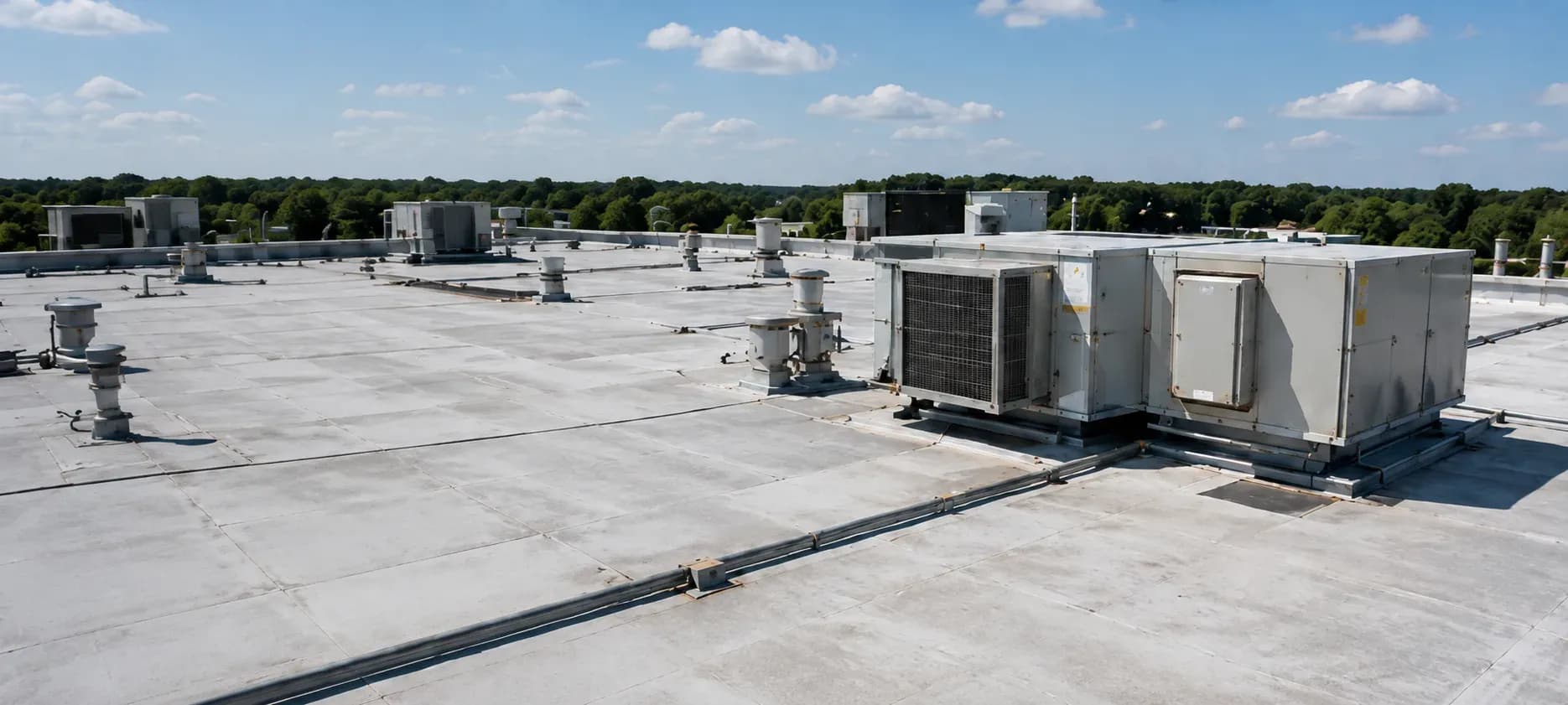
Existing Roof
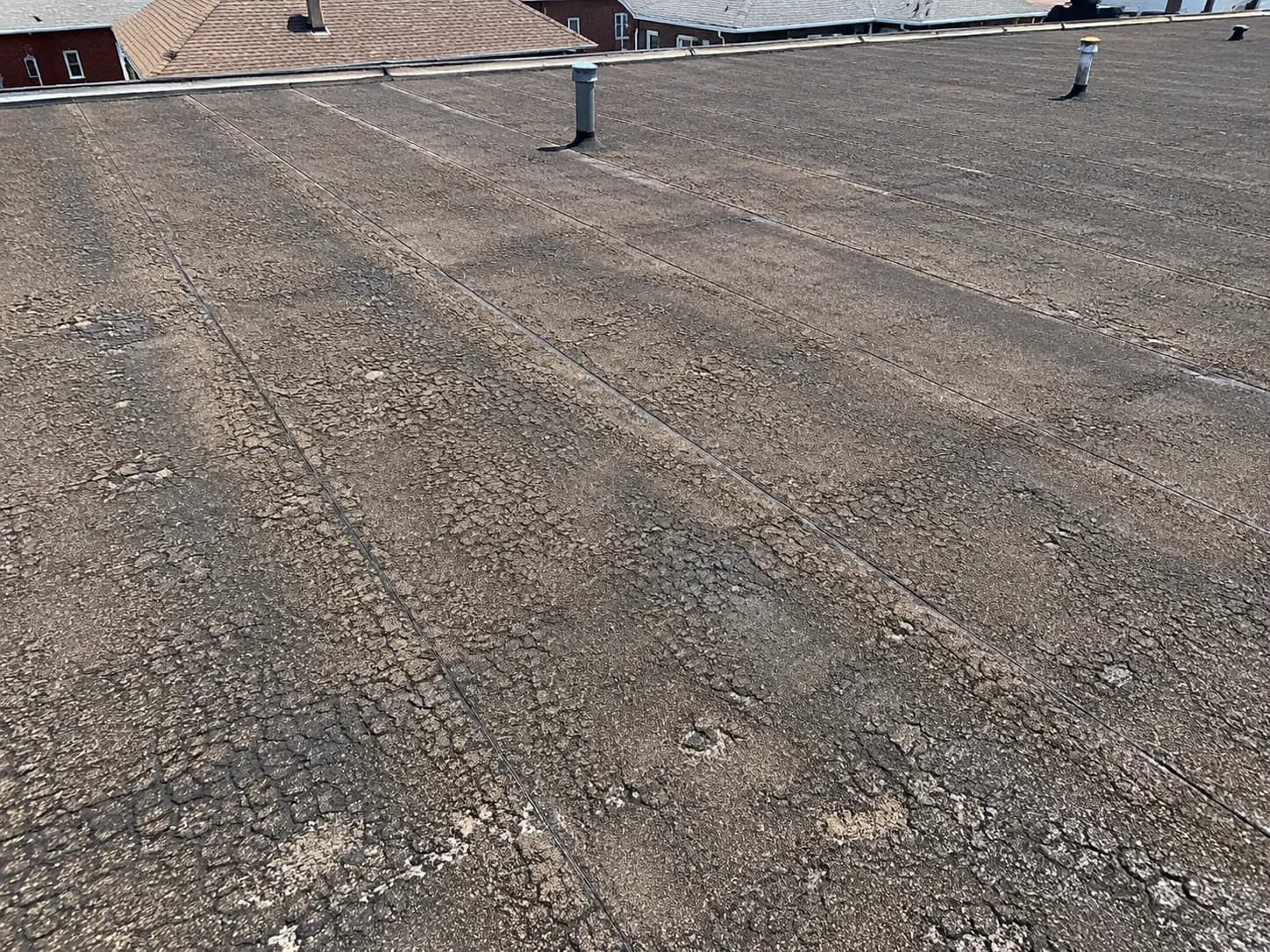
The existing roof is evaluated to confirm it's a good candidate for restoration.
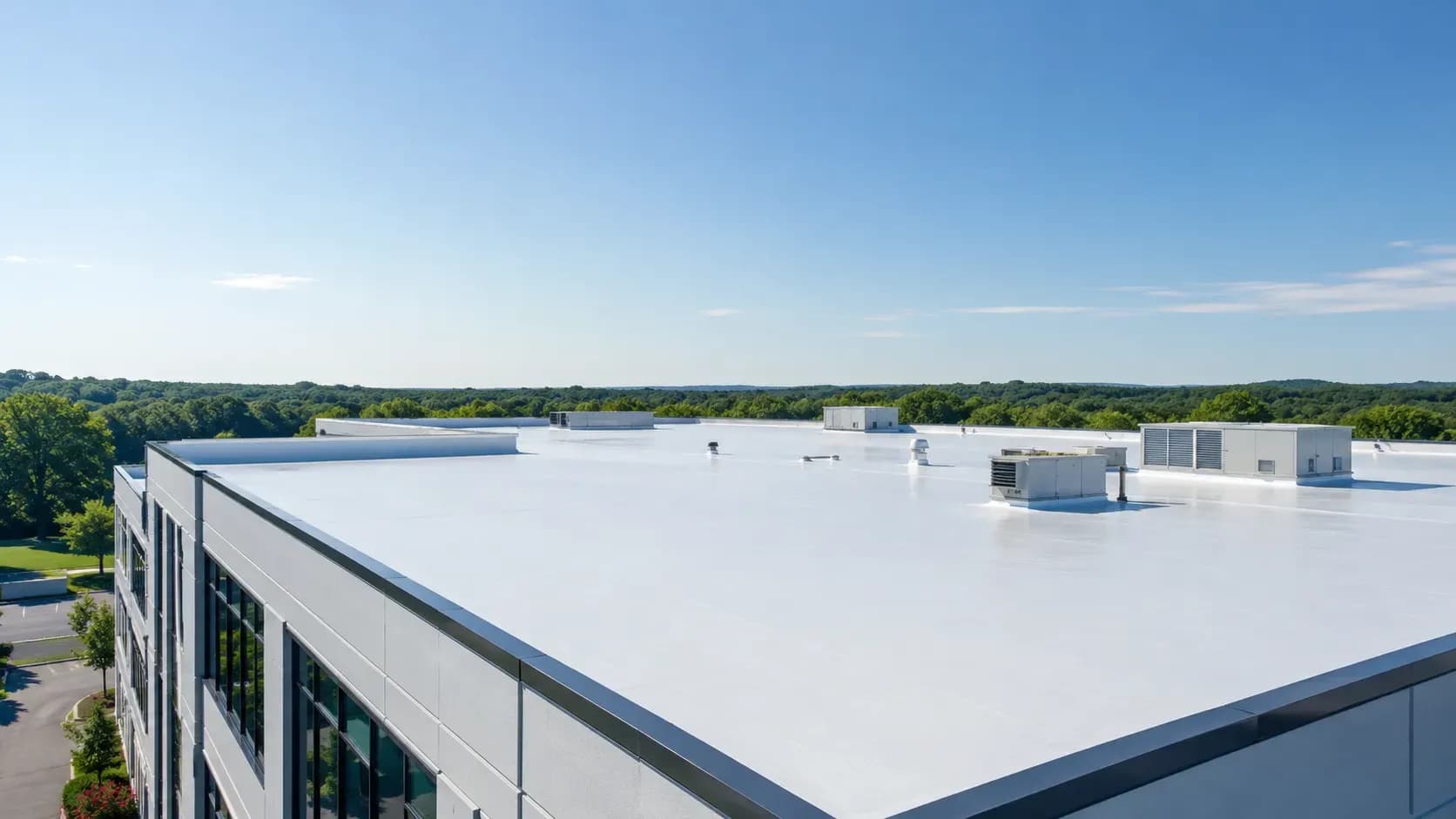
Restored Roof
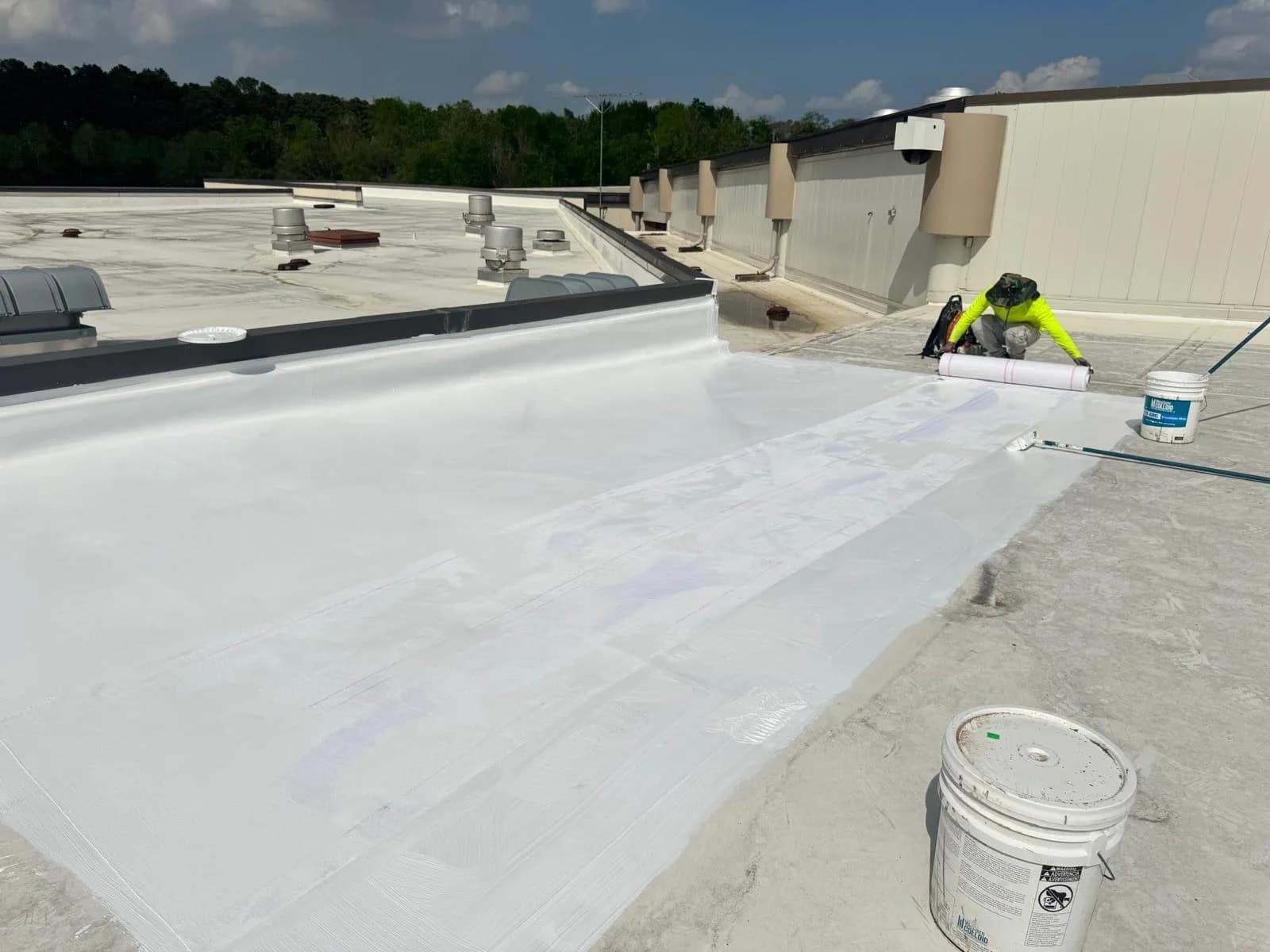
Harvest corrects the vulnerable details and installs a continuous, fabric-reinforced membrane over the existing assembly.
Future Renewal
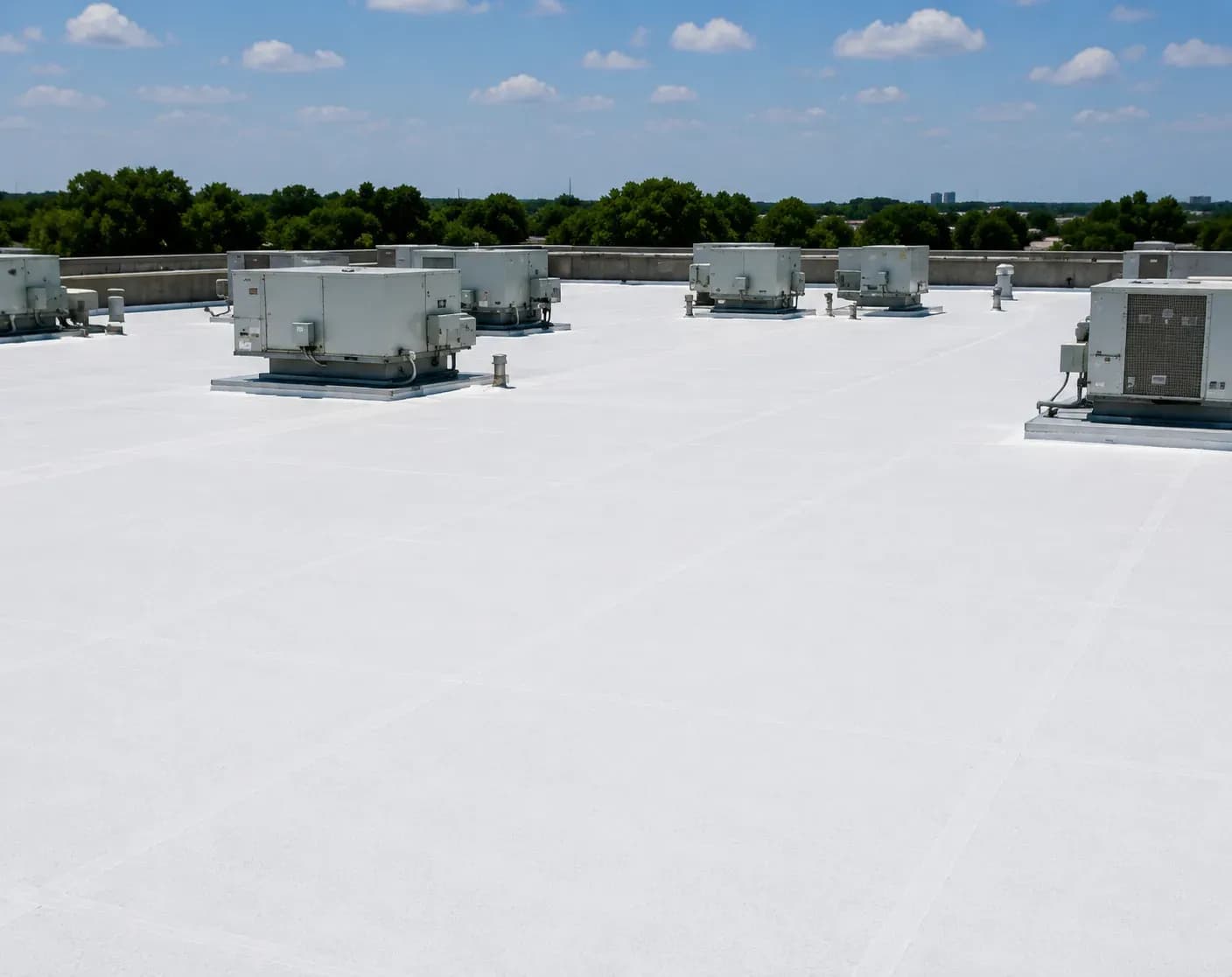
In the future, the protective surface can be renewed—extending performance without another tear-off.

An improved version of what you already have.
Harvest isn't abandoning the logic of single-ply or modified roofs — we're improving it. Our fabric-reinforced, monolithic membrane is installed as a continuous layer that reduces seams, strengthens transitions, and creates a more uniform, durable surface.

Fabric-Reinforced
Embedded reinforcement adds strength, tear resistance, and long-term durability.

Monolithic
A single, continuous membrane eliminates seams and potential weak points.

Fully Adhered
Adhered across the entire surface for wind uplift resistance and stability.

Self-Flashing
Seamless details that integrate at penetrations, curbs, and edges.

Flexible
Moves with the building to resist cracking and fatigue.

Renewable
The protective surface can be renewed— extending service life and lowering life cycle costs.
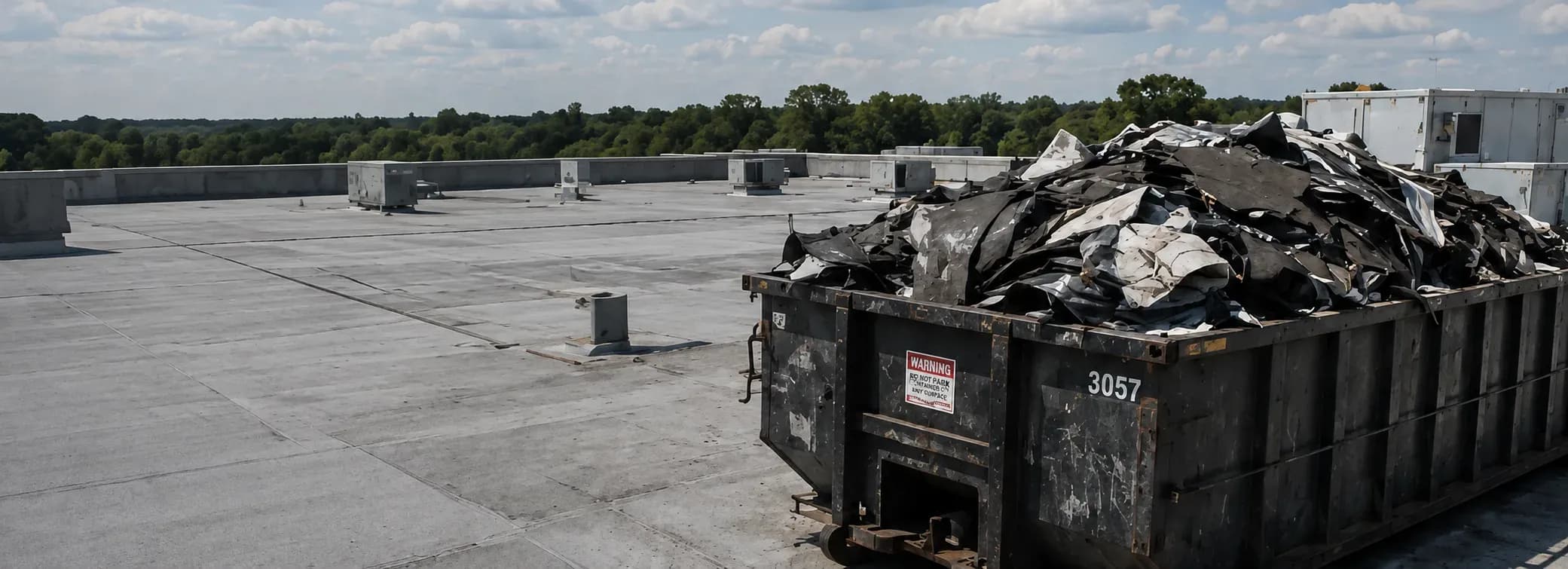
Before You Replace It, Understand What You're Throwing Away.
Restoration delivers real value—for your building, your budget, your operations, and our environment.
Renewal Protects More Than the Roof

No Demolition
No tear-off means no hauling, no landfill, no mess.

Less Disruption
Keep your building operating with minimal interruption.

Less Weather Exposure
Avoid exposing your building and contents to the elements.

Less Waste
Keep materials out of landfills and protect our planet.

Less Overall Cost
Avoid costs you don't need to spend to maintain an effective roof.
Tear-Off Creates More Than Waste.
Tear-off means demolition, hauling, and disposal— disrupting your building, your operations, and your timeline. During construction, the building and its contents are exposed to the elements. Downtime, noise, dust, odors, and risk are all part of the cost.
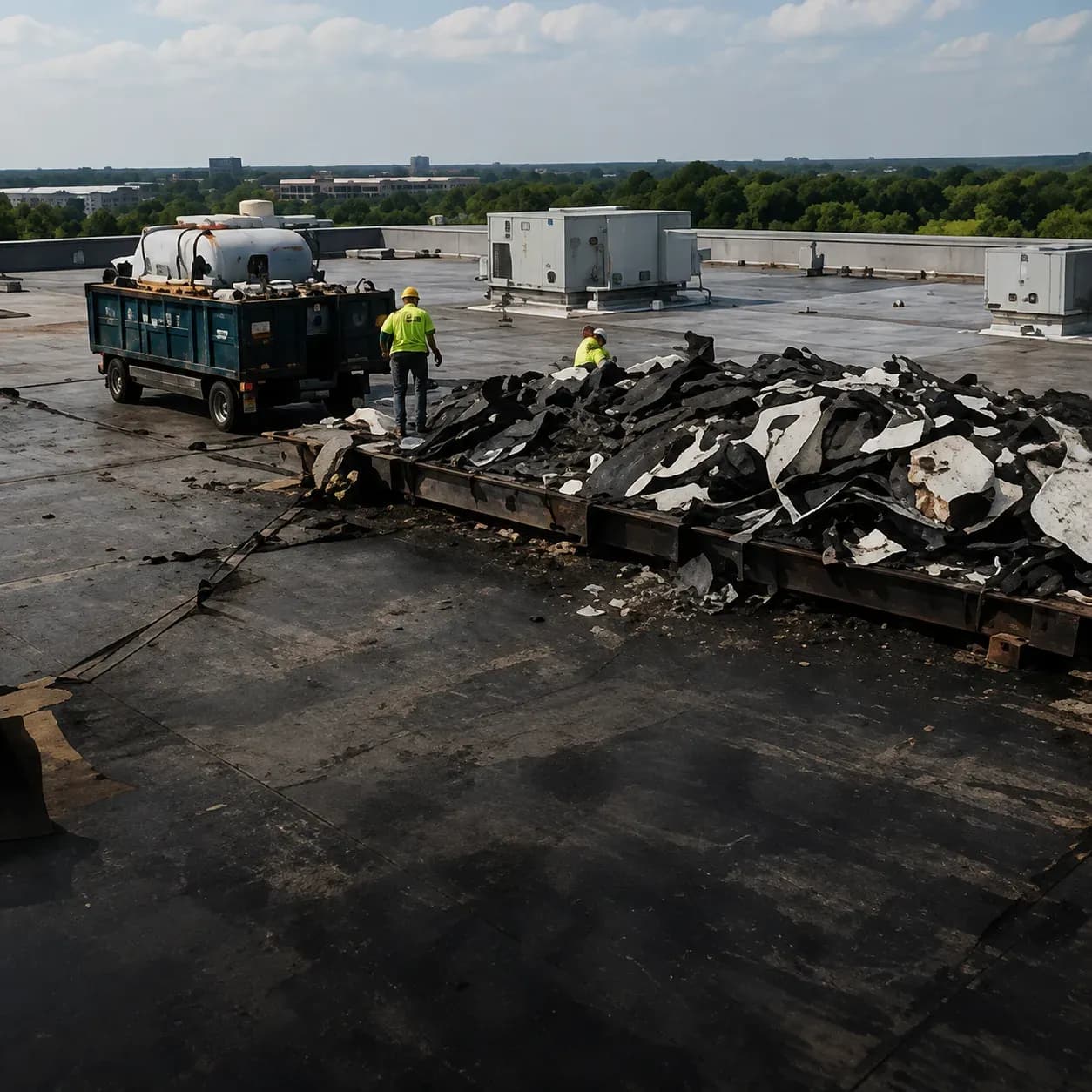
TEAR-OFF & DISPOSAL
❌ Demolition & landfill waste ❌ Hauling, disposal, and fees ❌ Operational disruption ❌ Weather exposure during tear-off ❌ Noise, dust, and safety risks
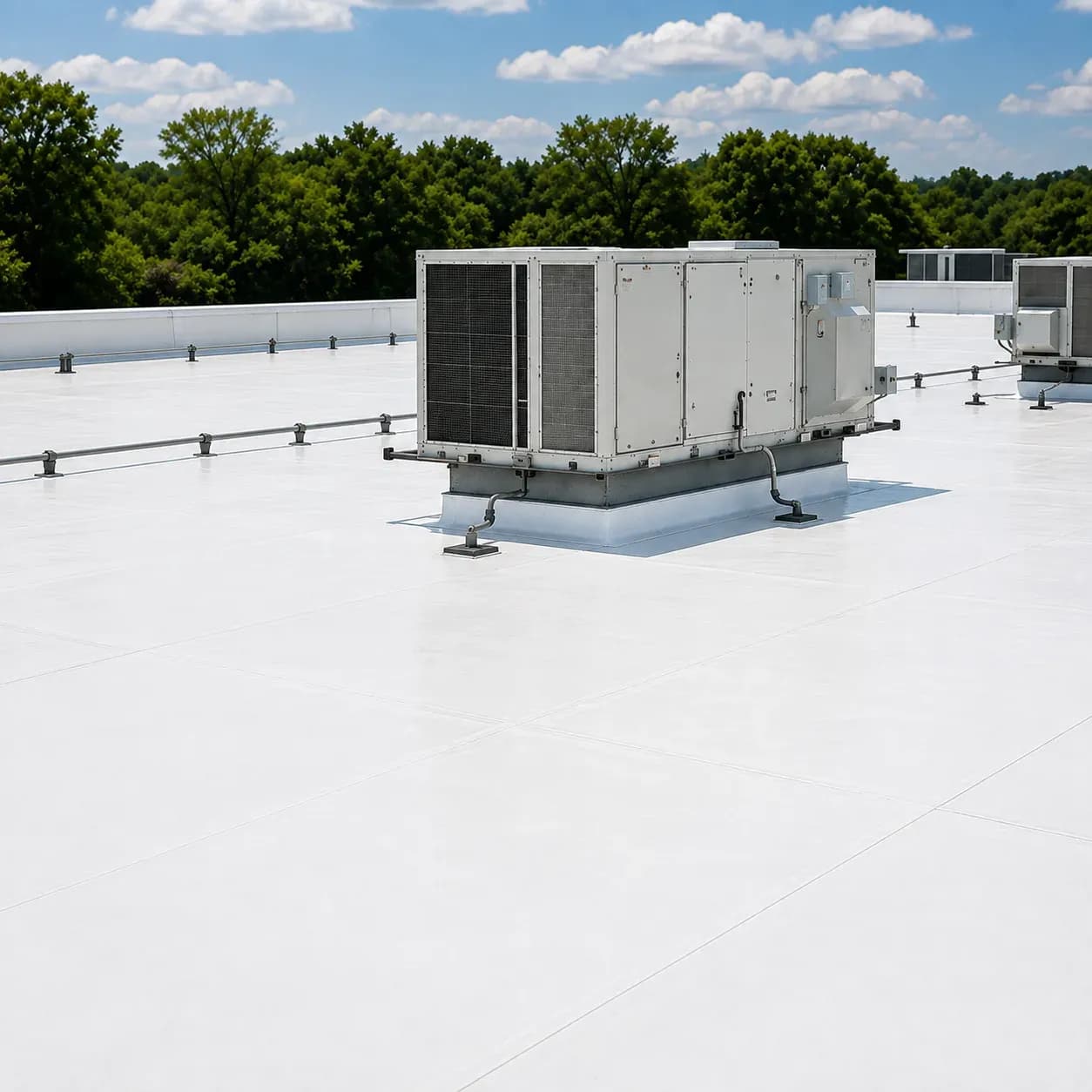
RESTORE & KEEP OPERATING
✓ No tear-off. No landfill. ✓ Minimal disruption. ✓ Stay dry. Stay protected. ✓ Lower risk. Greater control. ✓ Smarter investment.

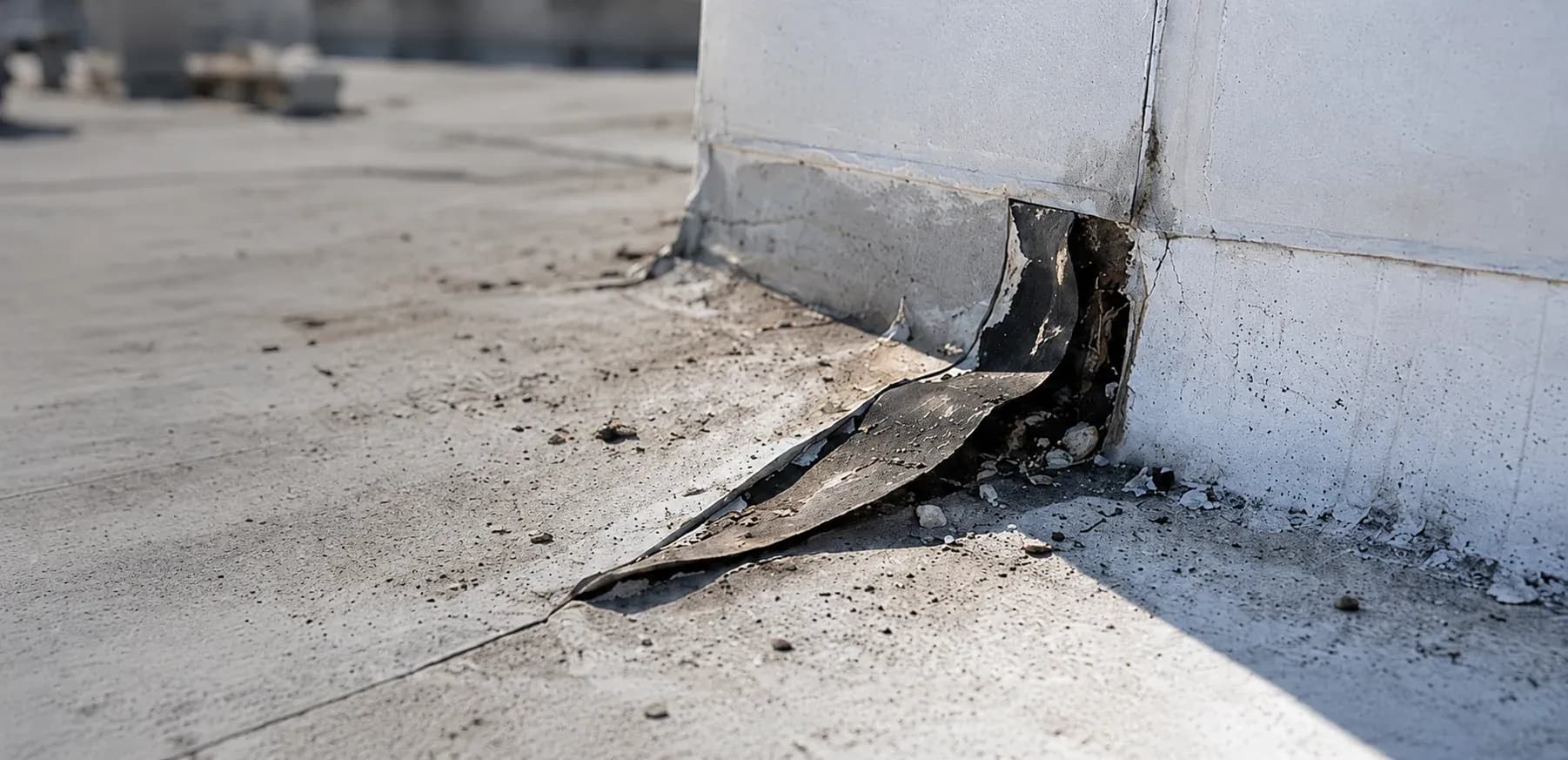
The Devil is in the Details
Most roof problems begin where materials meet, buildings move, and water finds an opening.
The Seven Vulnerable Areas
A roof can look perfectly acceptable from a distance and still contain small areas where water can enter. The field of the roof is not typically the problem. The details are.
1Drains
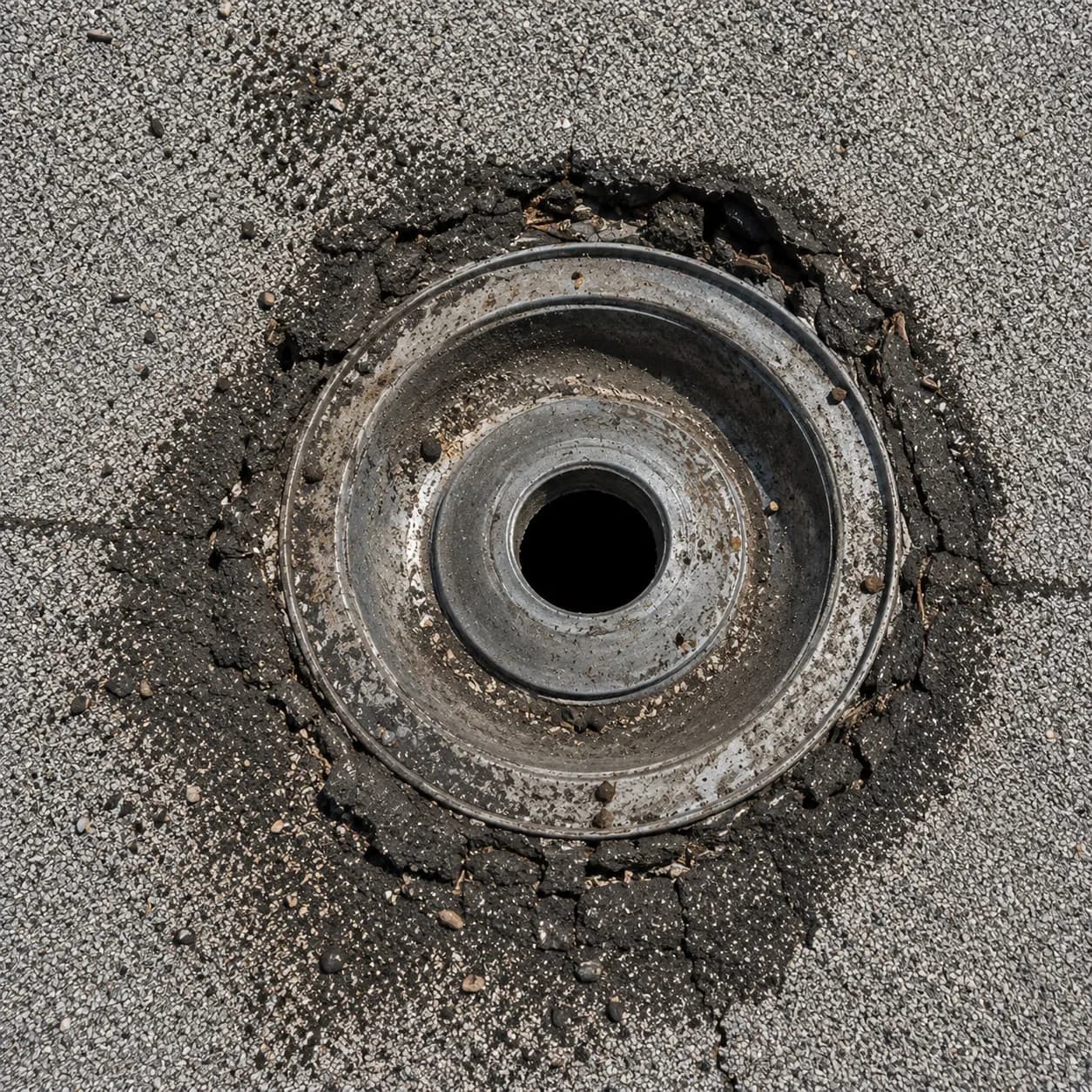
Before
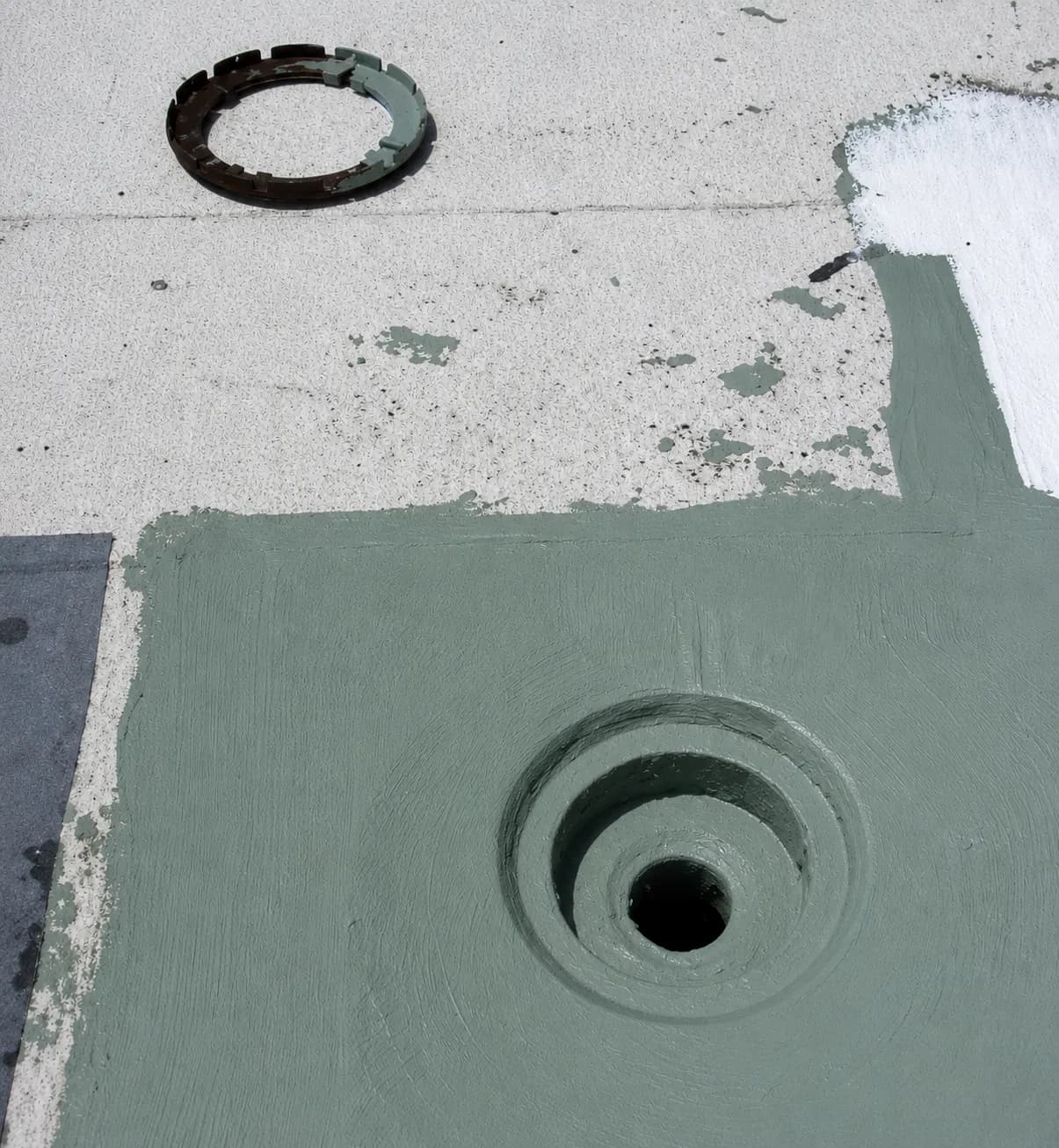
After
2Flashings
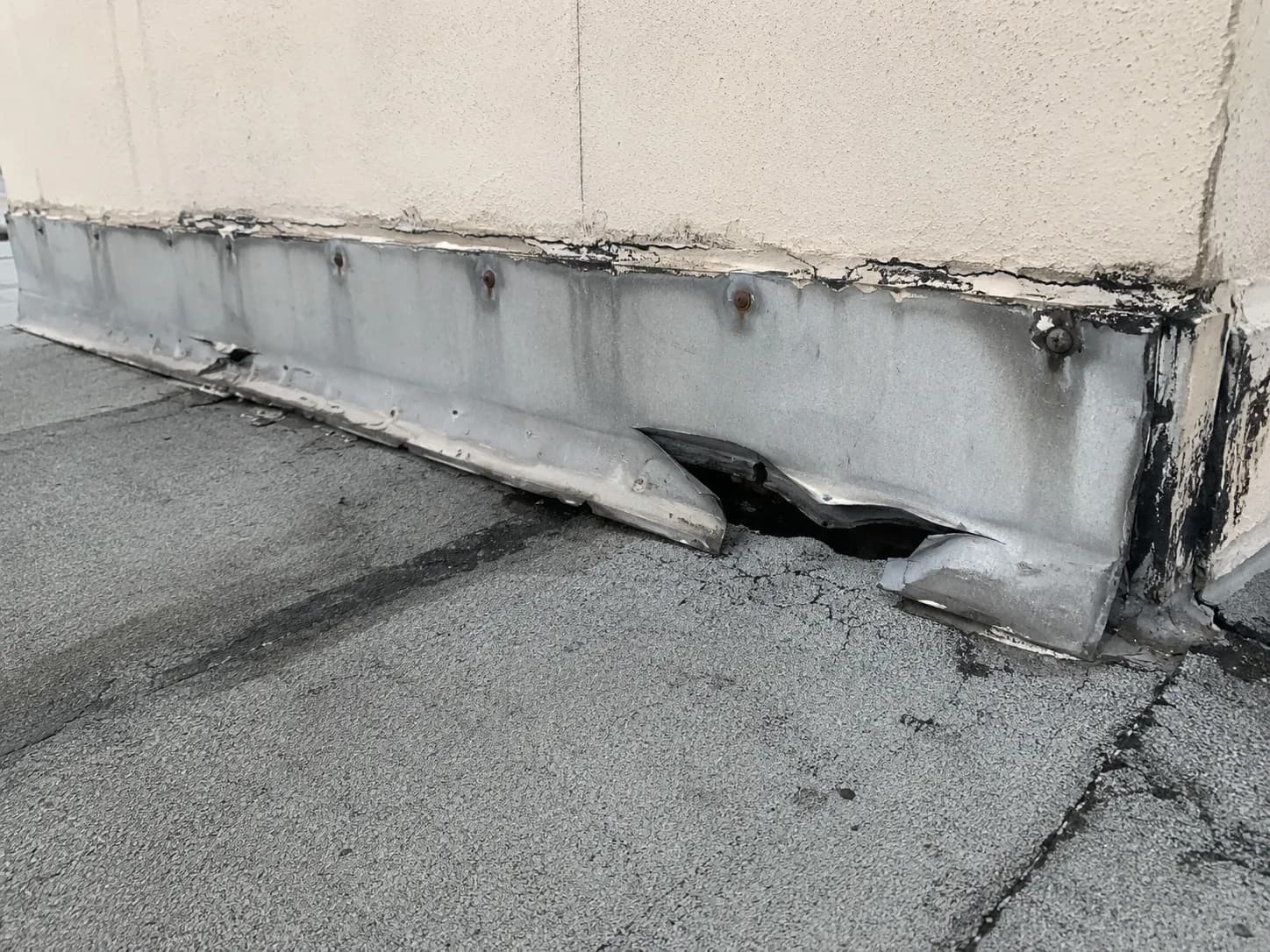
Before
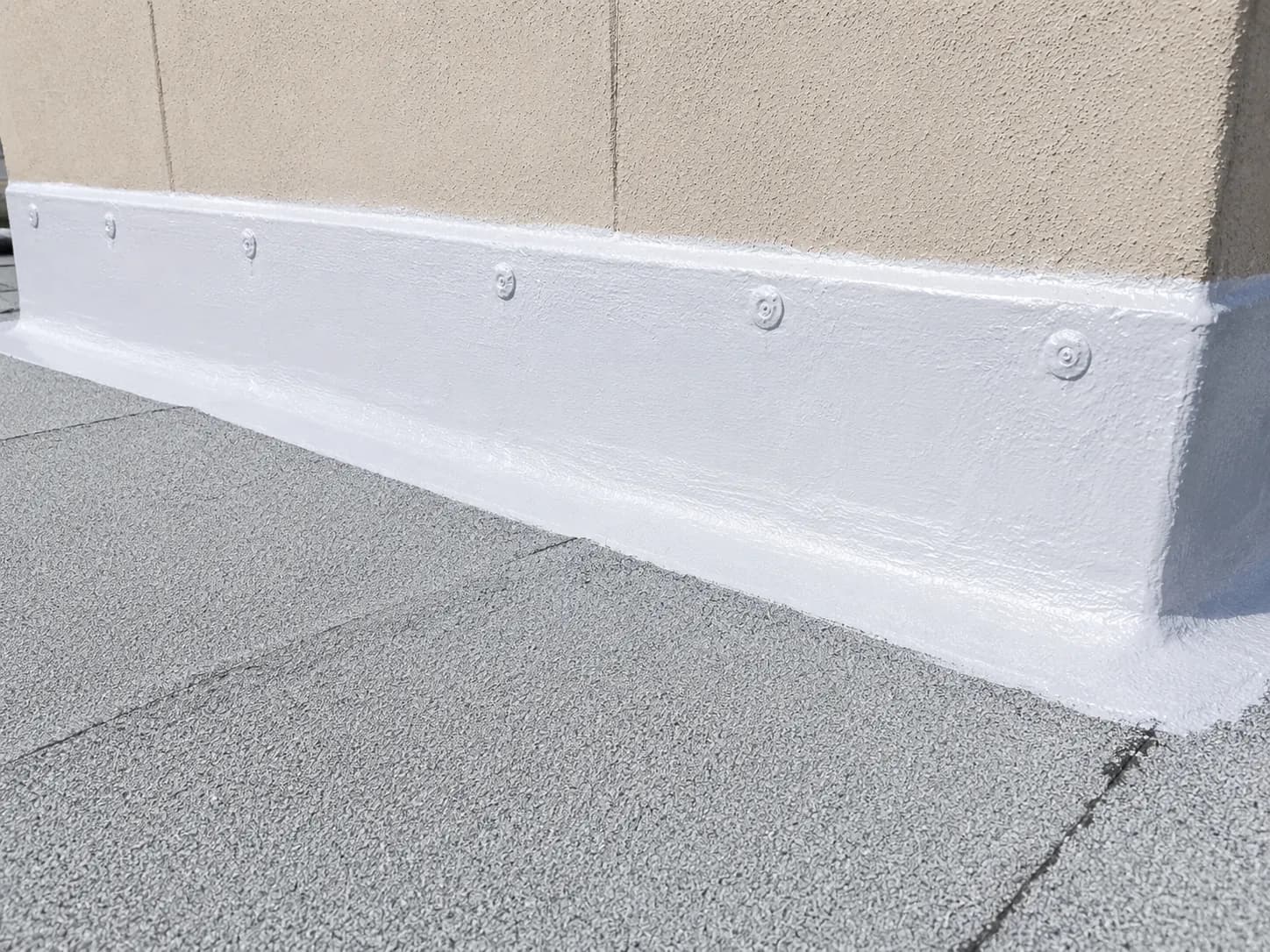
After
3Penetrations
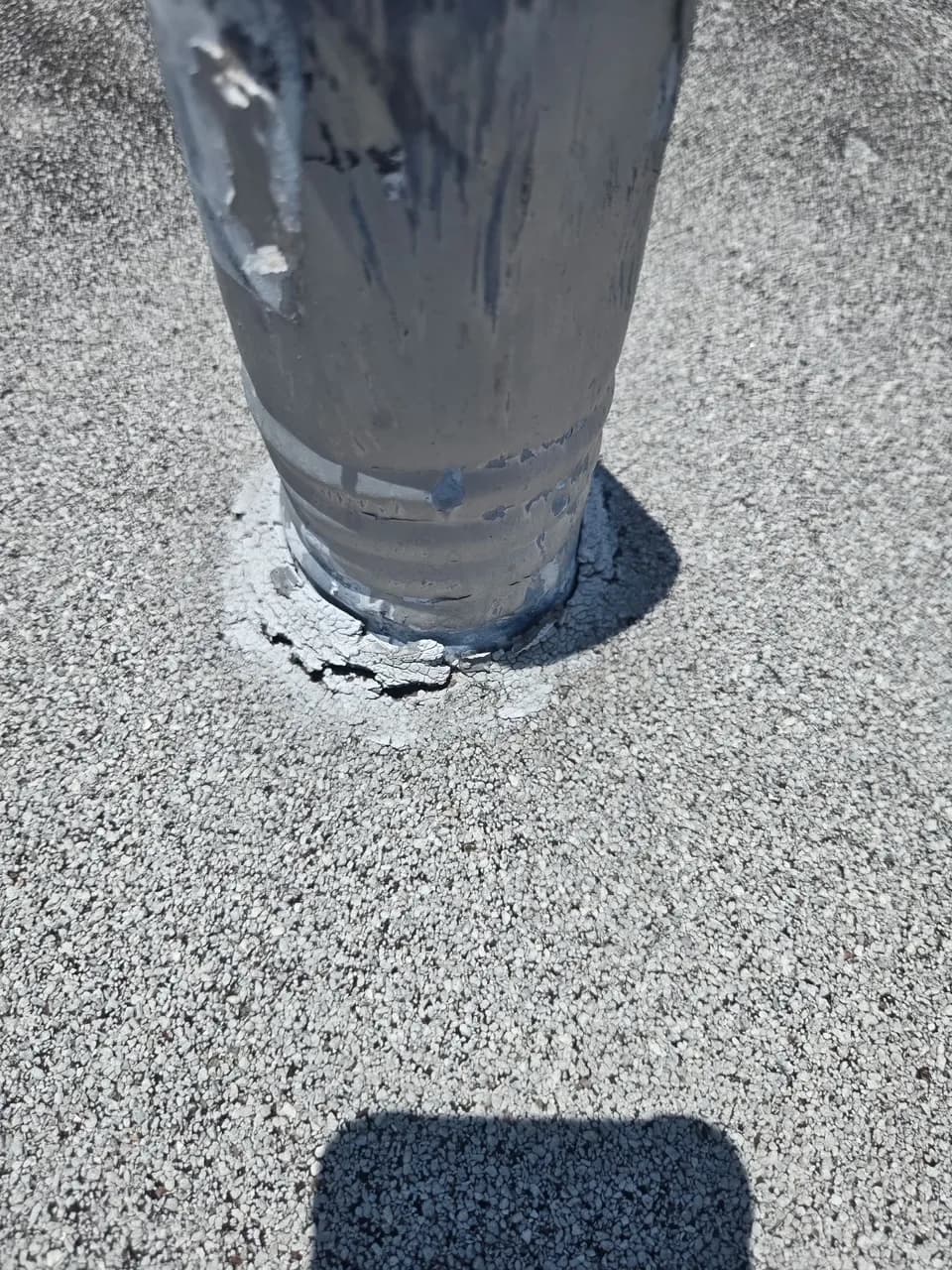
Before
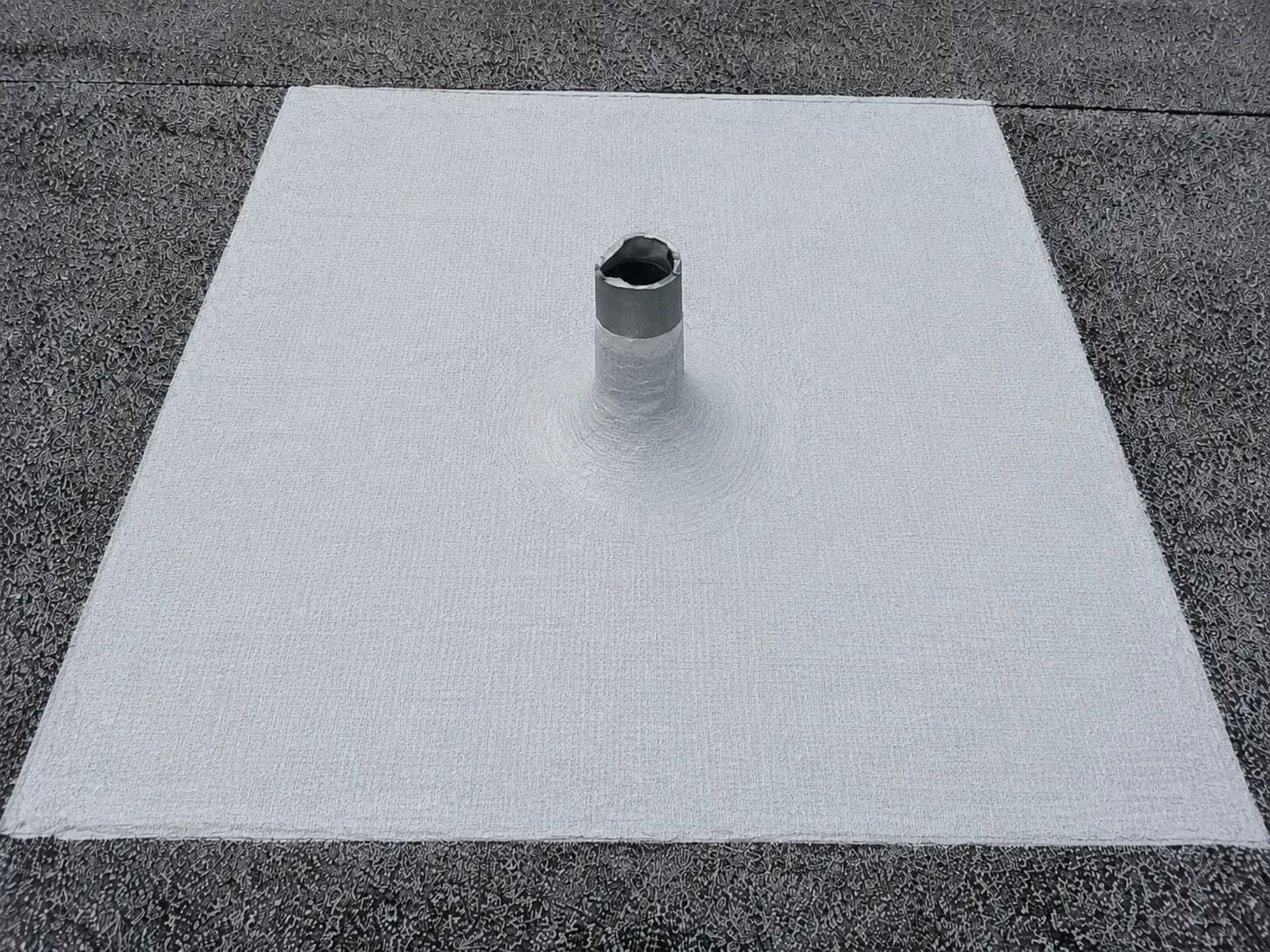
After
4Seams
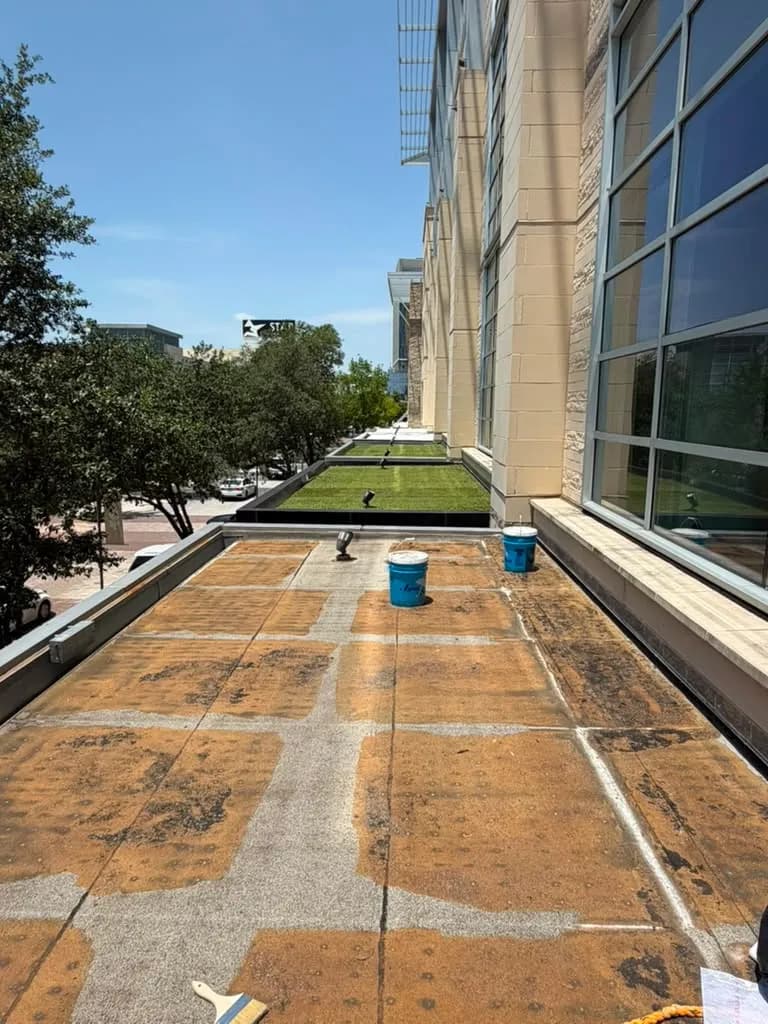
Before
After
5Expansion Joints
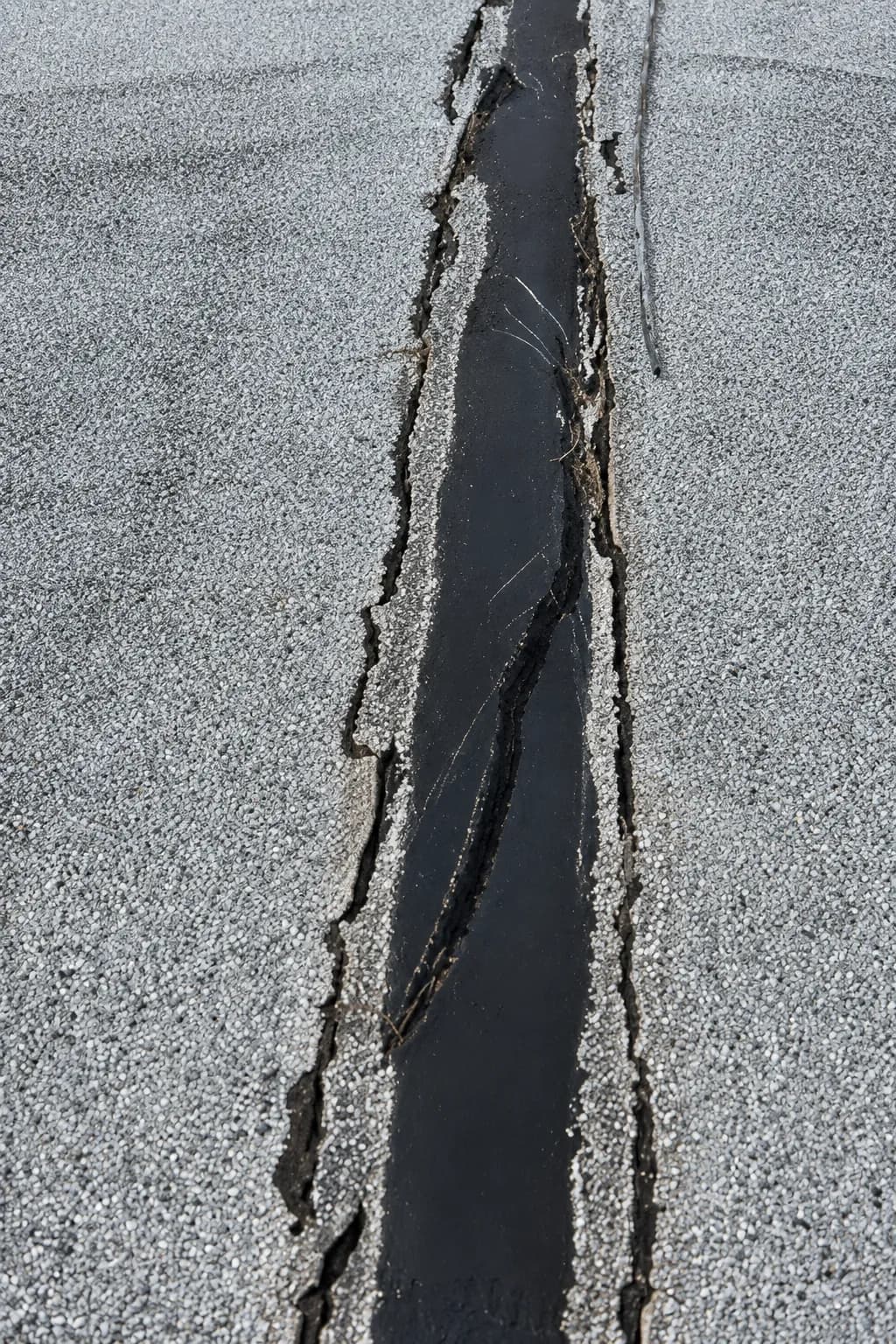
Before
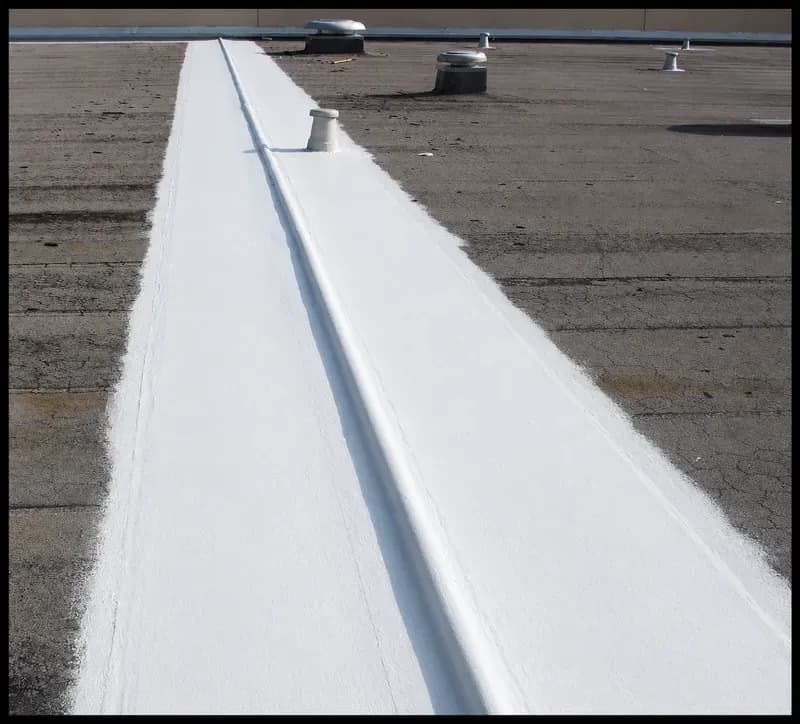
After
6Corners
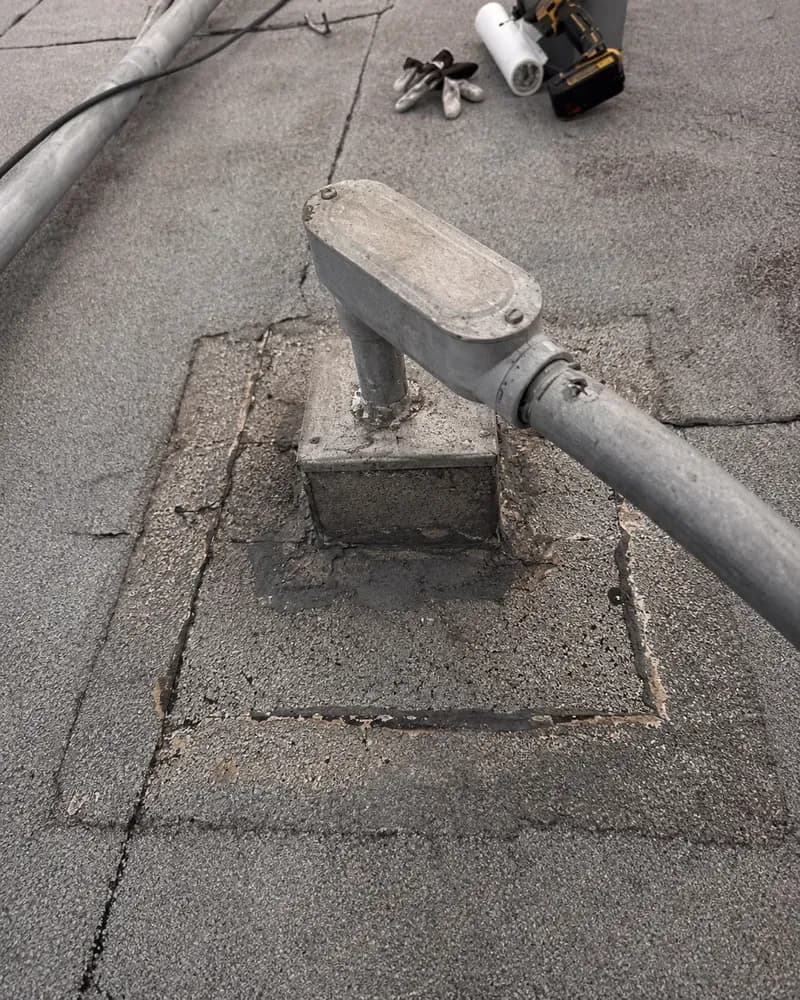
Before
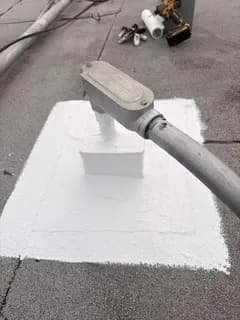
After
7Perimeters
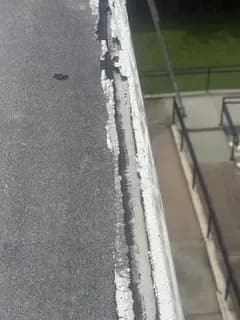
Before
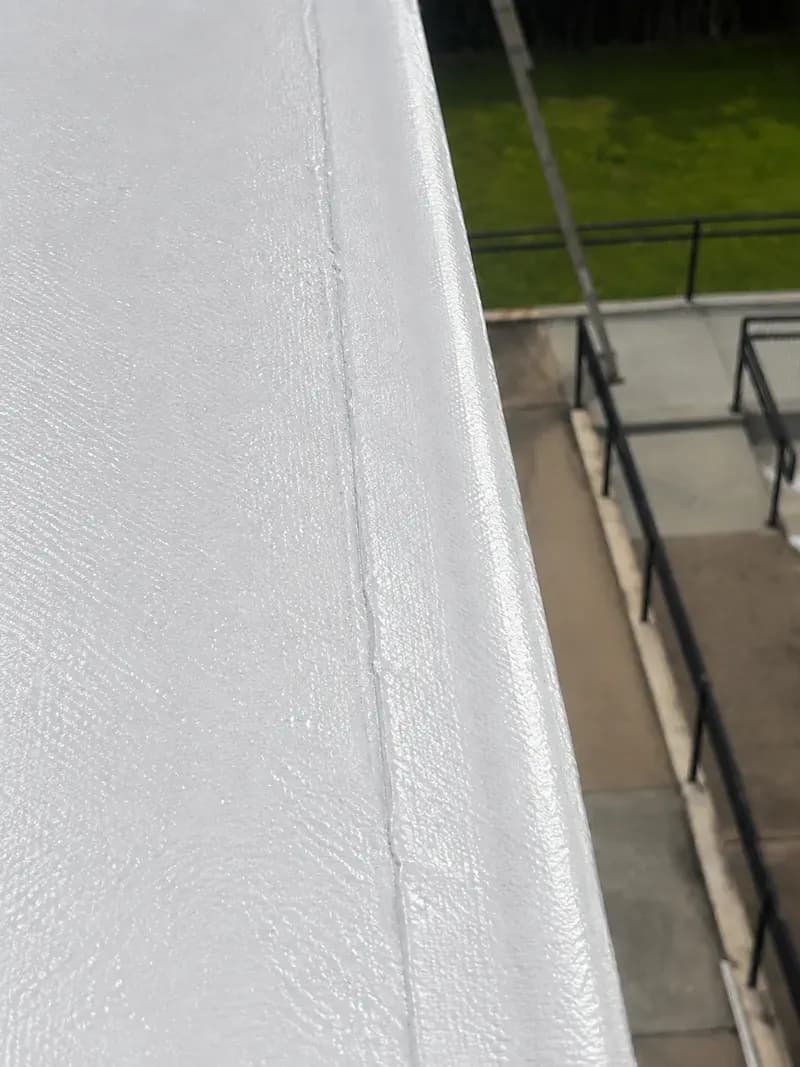
After
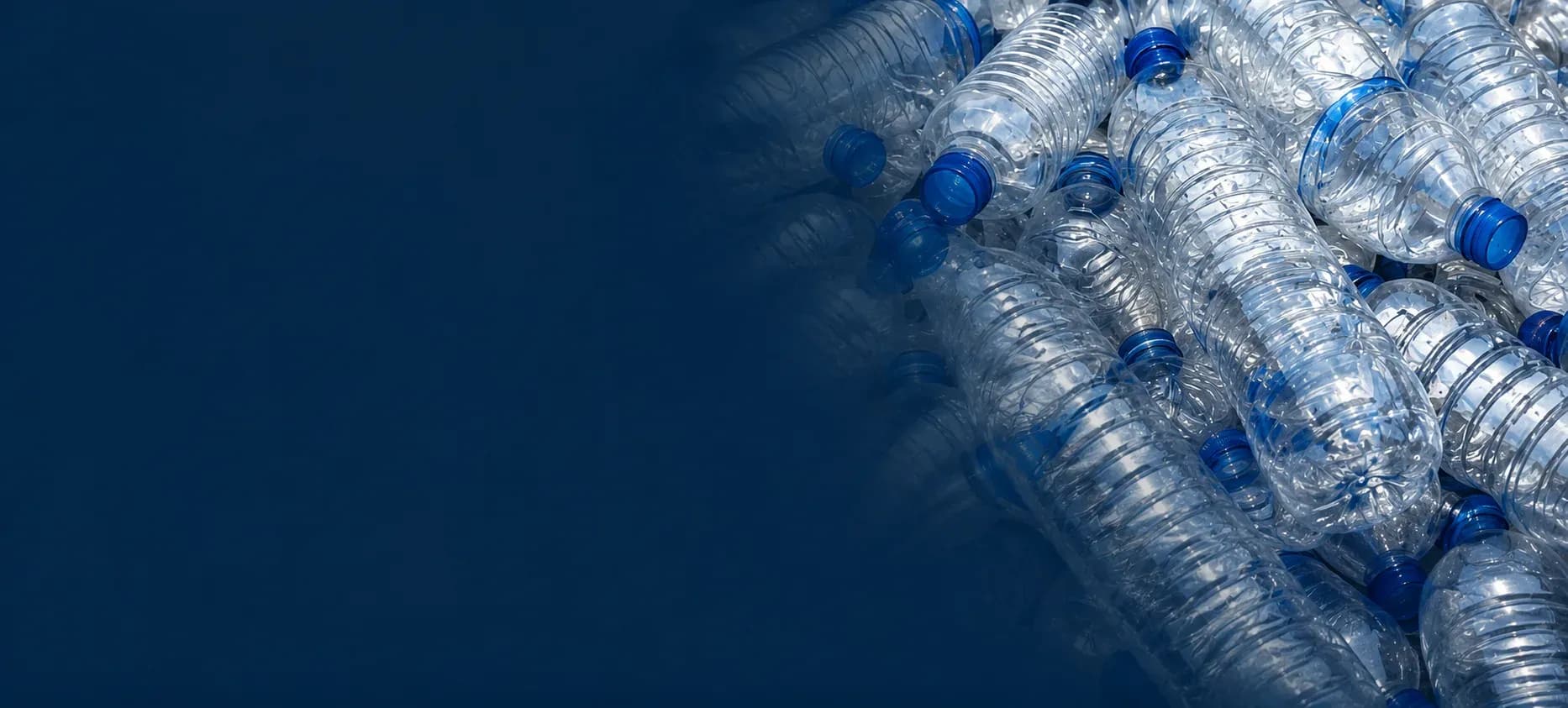
The Most Sustainable Roof Is the One You Don't Throw Away.
- Nearly
1.5 MILLION
Empty Water Bottles.
On a 100,000-square-foot roof, the TPO membrane alone can represent roughly that amount of plastic.
And that's only the membrane. It does not include insulation, cover board, fasteners, adhesives, flashings, or other tear-off debris.
Traditional Lifecycle vs. Harvest Strategy
The ROI Starts With What You Don't Have to Spend.
The economics begin with avoiding tear-off and disposal, preserving usable materials and insulation, and reducing disruption and weather exposure. It delivers lower energy costs and extends protection through renewable warranties, safeguarding both the roof and the operations beneath it.

Let's start with a conversation.
No pressure. Tell us what's happening with your building.