


















Skip to content
Harvest
Occupied open-plan office with daylight across the floor

What you don't see hurts you!

Germs, bacteria, viruses, mold, and other contaminants can move through occupied spaces without anyone seeing them. That makes the problem easy to ignore until people get sick, odors develop, or testing reveals what was there all along. What You Can't See Still Matters.

Cleaning Is Periodic. Sanitizing Should Be Continous

Cleaning and sanitizing are not the same. While cleaning can include sanitizing, the effects are temporary and have no impact on airborne germs. What happens is air becomes germ-filled as do surfaces. Breathing is continuous, and so should the sanitizing process

Custodian cleaning a corridor floor after hours

CIMR® - the continuous sanitizing solution

Continuous Infectious Microbial Reduction

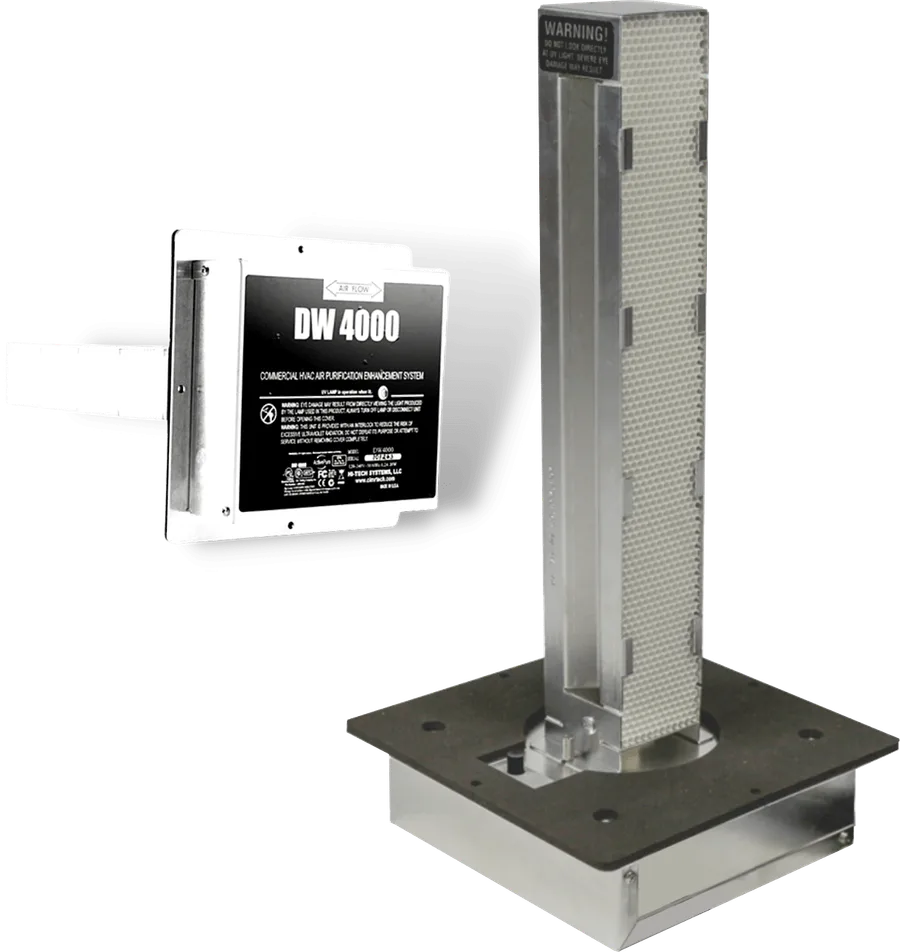
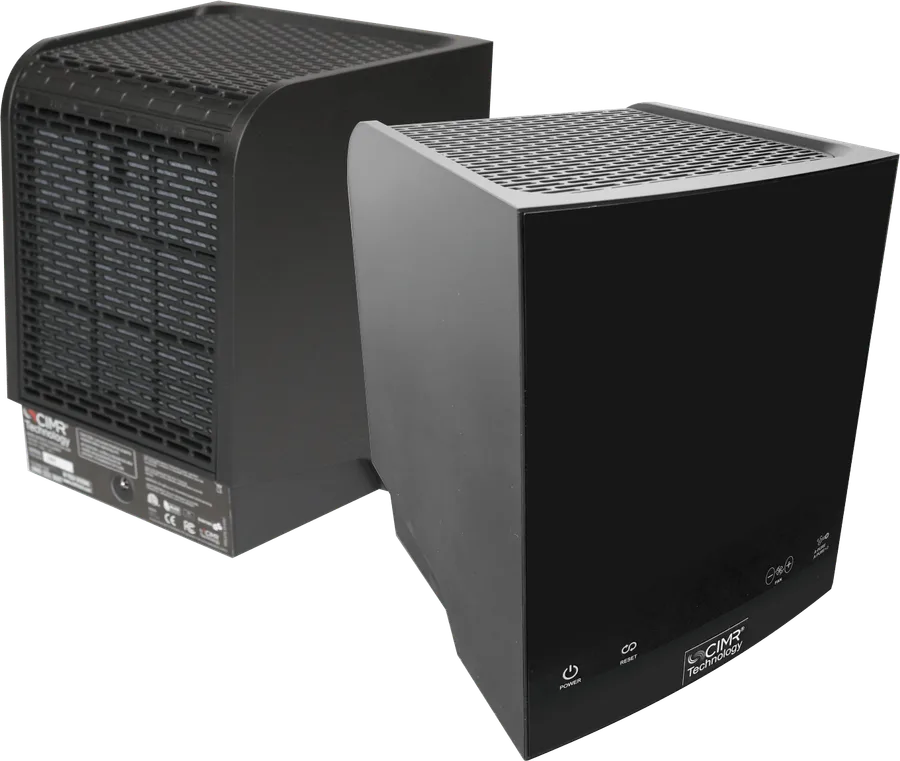
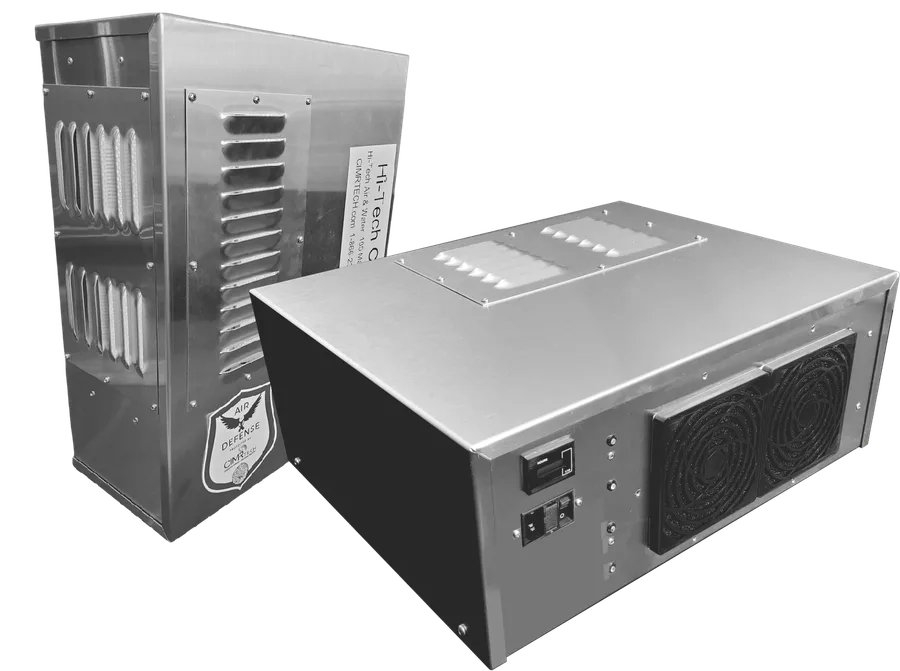
The CIMR technology is a Military grade system that integrates into the HVAC system or as simple portable units to completely envelope school occupants in classrooms, hallways, gymnasiums, cafeterias, etc. Requiring no ongoing labor or inputs - only O2 and H2O already in the Air - produces no Ozone or other harmful byproducts.

Why CIMR®

  • 24/7 Protection

    Continuous protection against pathogens in the air and on surfaces

  • Healthier Spaces

    Supports a healthier indoor environment for occuppants every day.

  • Sustainable

    Promotes cleaner indoor air with a practical, sustainable approach.

  • HVAC Savings

    Can increase HVAC-related savings through more eficient system performance.

  • Low Maitenance

    Design for reliable operation with minimal maintenance requirements.

  • Better Performance & Attendance

    Supports improved comfort, performance, and attendance.

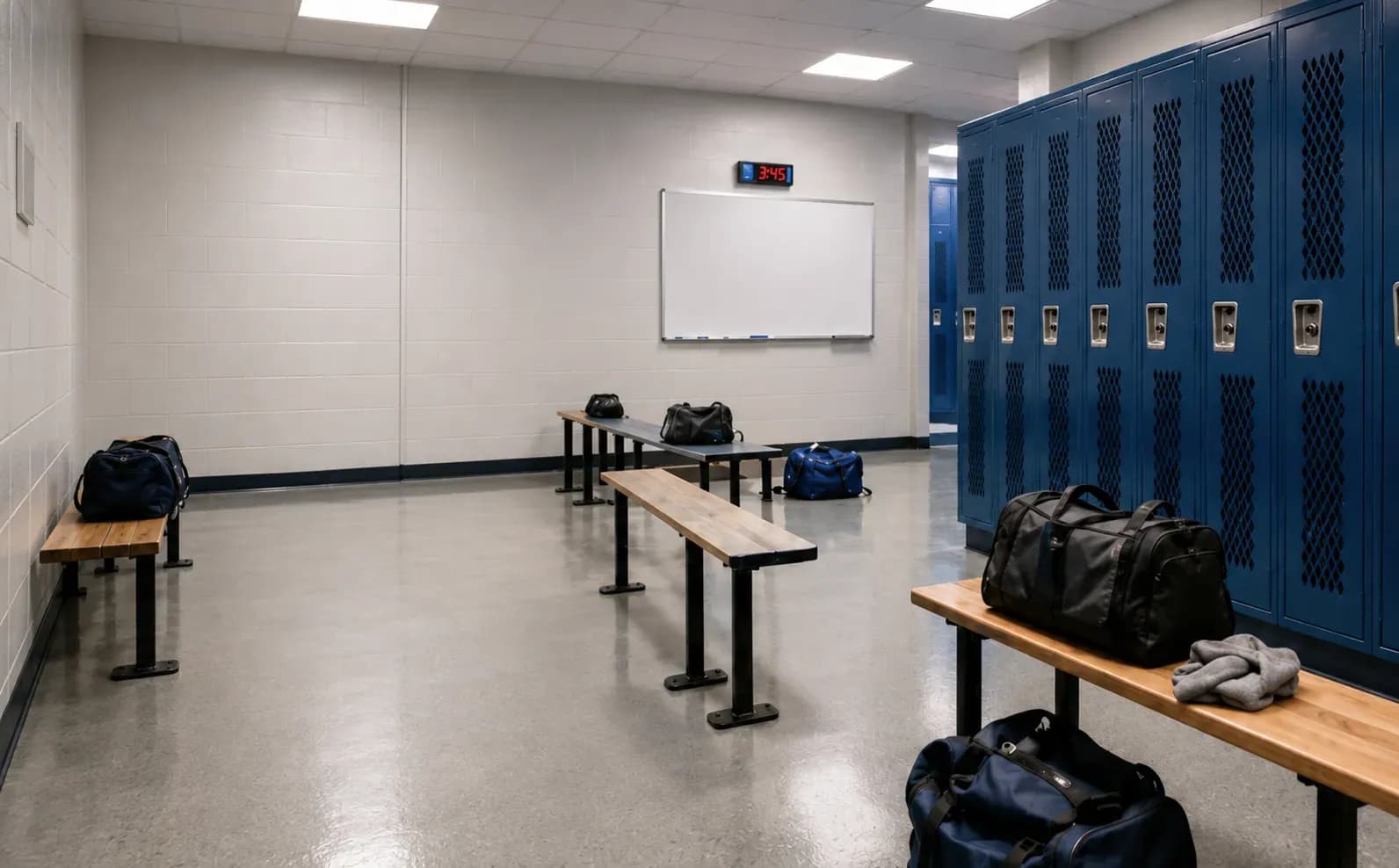
School locker room lined with lockers and benches

Sometimes the Invisible Problem Has a Smell.

Locker rooms combine people, sweat, moisture, equipment, clothing, shared surfaces, and heavy daily use. For years, people have accepted the smell as part of the environment.

But the smell is telling you something.

Then the Smell Goes Away.

When continuous treatment is introduced, odor reduction gives people something they can experience immediately. Odor is not a measurement of germs, but it makes the larger concept easy to understand: the indoor environment can change even when you cannot see it.

They Can Smell the Difference.

Fresh, empty locker room with the lights on

The Bigger Opportunity Goes Beyond Odor.

Germs, bacteria, viruses, and other contaminants usually provide no warning at all. That is why the real goal is not simply a better-smelling locker room.

It Is a Healthier Environment for the People Inside.

Students moving through a school corridor
Classroom in use, seen from the back of the room

Indoor Air Is More Than a Health Issue.

The indoor environment can affect attendance, learning, employee performance, operating cost, and the financial performance of the building itself.

Health Has an ROI.

Healthier Students Spend More Time in the Classroom.

  • 24.6%

    Conservative infection-related absence reduction benchmark

  • 64

    recovered student days per year

  • $22,933

    in annual attendance value in the illustrative 900-student model

Model based on a 900-student school. Results will vary by building and conditions

Better Environments Support Better Performance.

Research has linked moisture management and proper ventilation to higher academic performance and reduced absenteeism.

In workplace settings, optimized indoor conditions have been shown to improve computer-based task performance and cognitive response times by up to 9%, while reducing sick-building symptoms.

We do not need to claim that CIMR creates every one of those outcomes. The point is simpler: the quality of the occupied environment has measurable value.

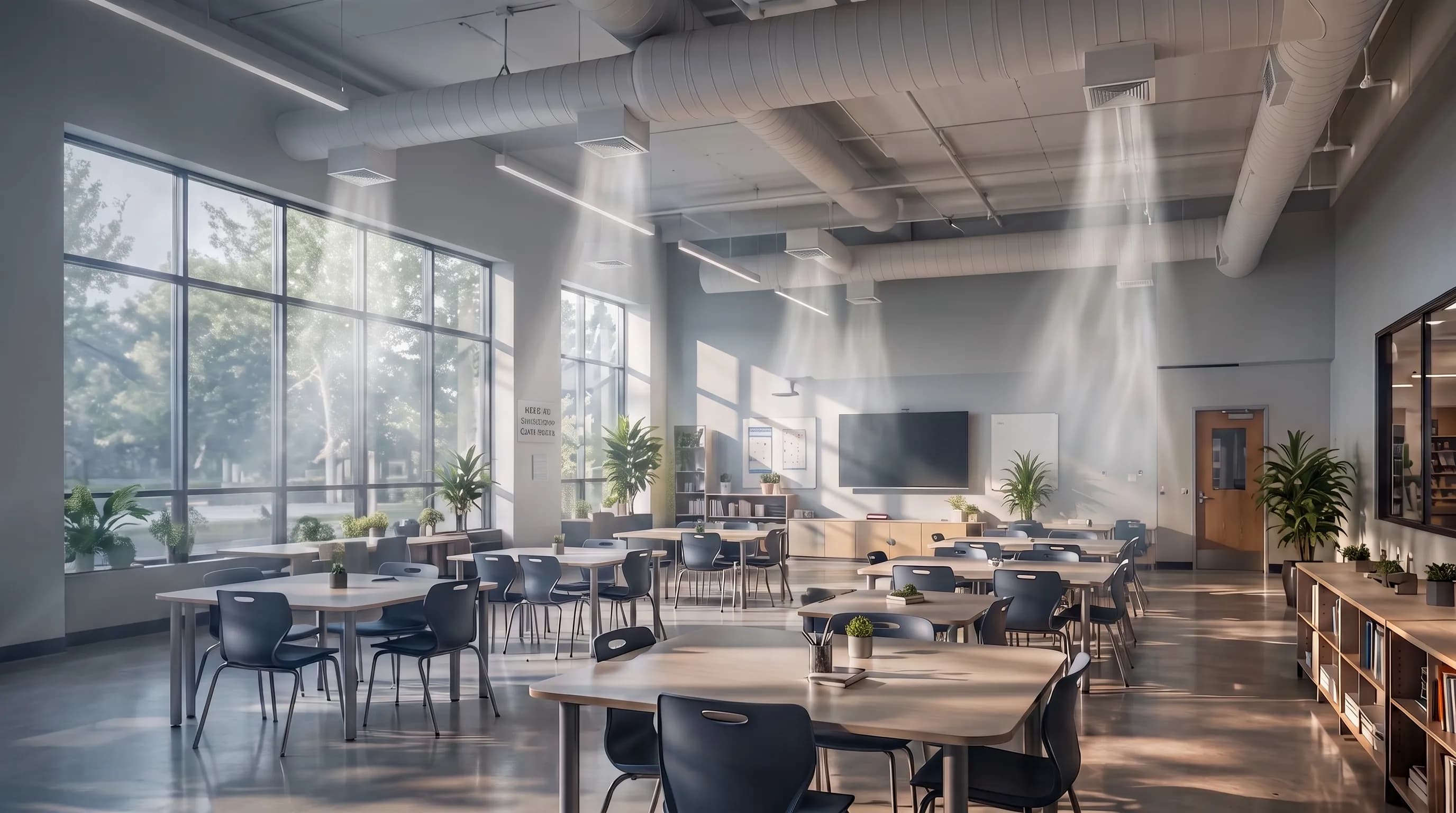
Pupils working at desks in a bright classroom

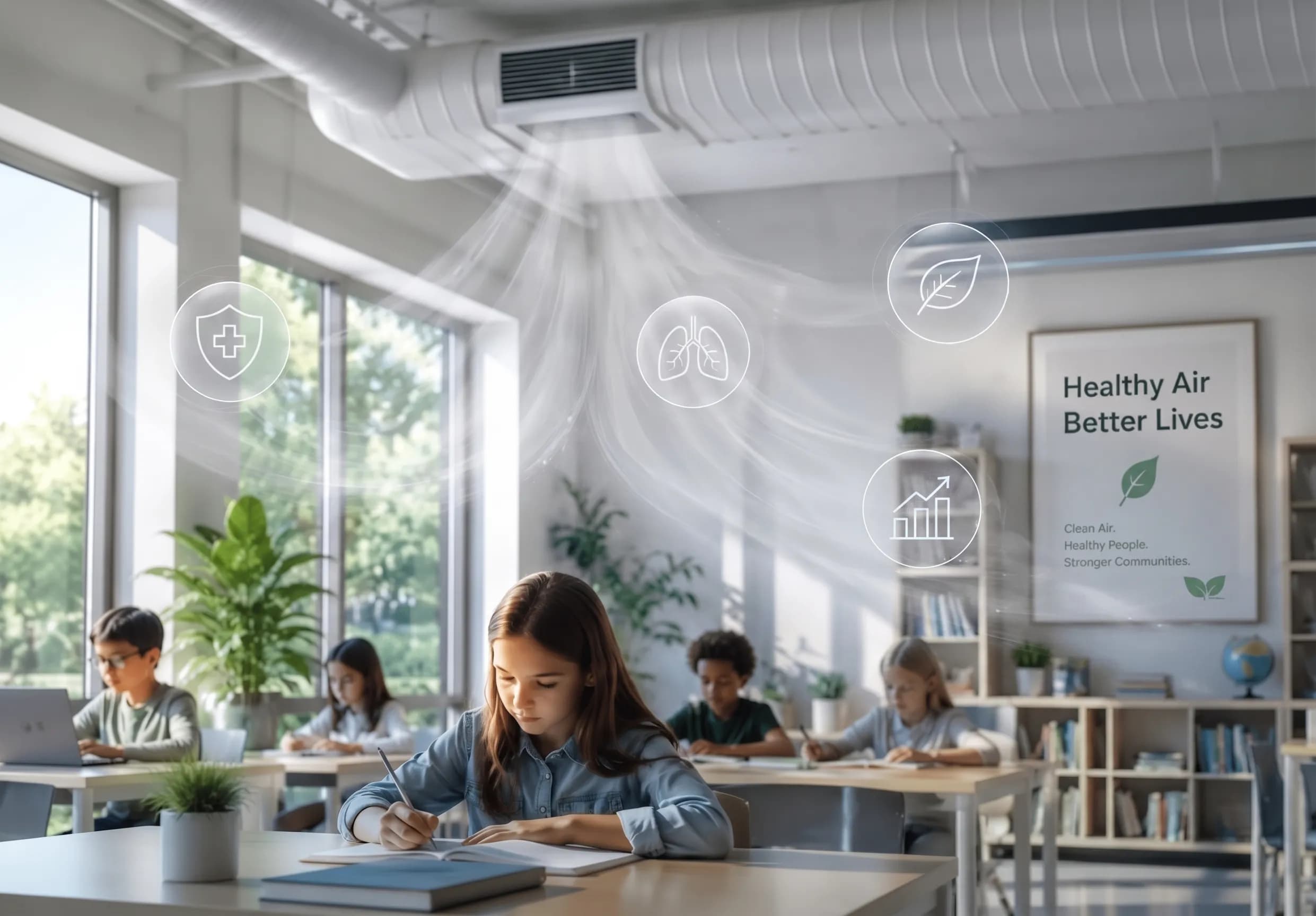
The Building Can Affect the People Inside It.

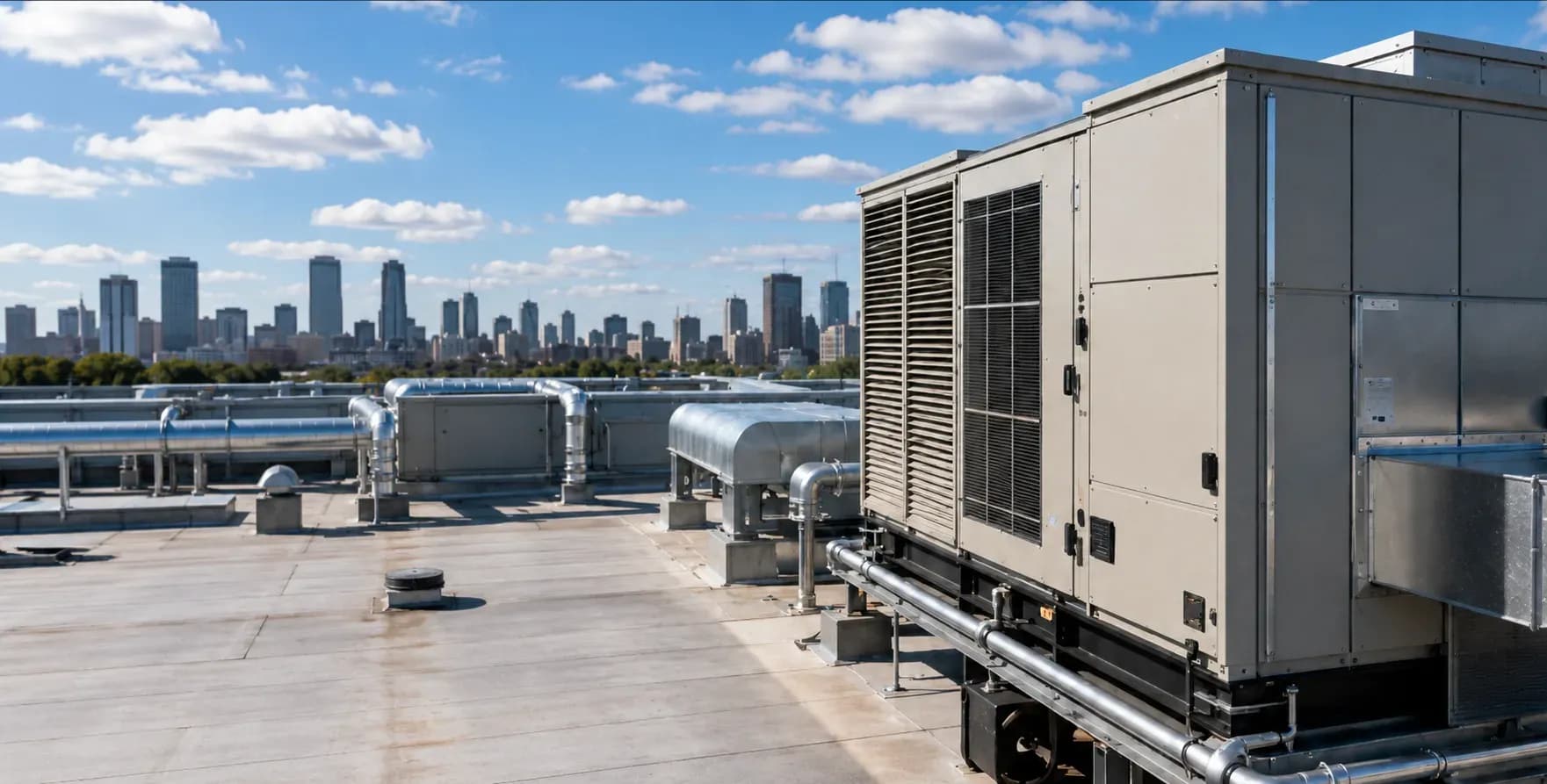
Rooftop air handling equipment on a commercial building

The ROI Goes Beyond Fewer Sick Days.

Continuous air treatment may also become part of the building's mechanical and energy strategy. When a qualified engineer determines that the technology can be incorporated into a compliant design, the building may be able to reduce some of the cost associated with conditioning outdoor air.

Equipment You Don't Need Is Money You Don't Spend.

In Harvest's illustrative 100,000-square-foot school model, estimated mechanical savings range from approximately $150,000 to $375,000, depending on the project. Annual energy savings in the same model range from approximately $10,000 to $32,000. Those savings may come from changes in cooling, heating, dehumidification, outdoor-air equipment, electrical infrastructure, controls, and other mechanical scope.

Illustrative model only; actual savings vary by building, equipment, and operating conditions.


Mechanical room with air handling plant

Look at the Whole ROI.

When mechanical savings, energy, conservative attendance value, and maintenance are considered together, Harvest's conservative school model produces an approximately 5.7-year payback.

In stronger engineer-verified scenarios, avoided mechanical cost can offset the initial CIMR investment at the beginning of the project.

These are planning scenarios, not guarantees. Every project requires its own engineering, utility, attendance, maintenance, and construction data.

Facilities team reviewing plans on site
Daylight over the parapet and stair tower of a commercial roof

Let's start with a conversation.

No pressure. Tell us what's happening with your building.