Sick Building Syndrome Is Costing Schools More Than They Think
Indoor air pollution has ranked among the top five environmental health risks since 1990. Here’s what that actually means for a school building.
Indoor air quality doesn’t get the attention that security or facilities upgrades get — but the numbers suggest it should.
The scope of the problem
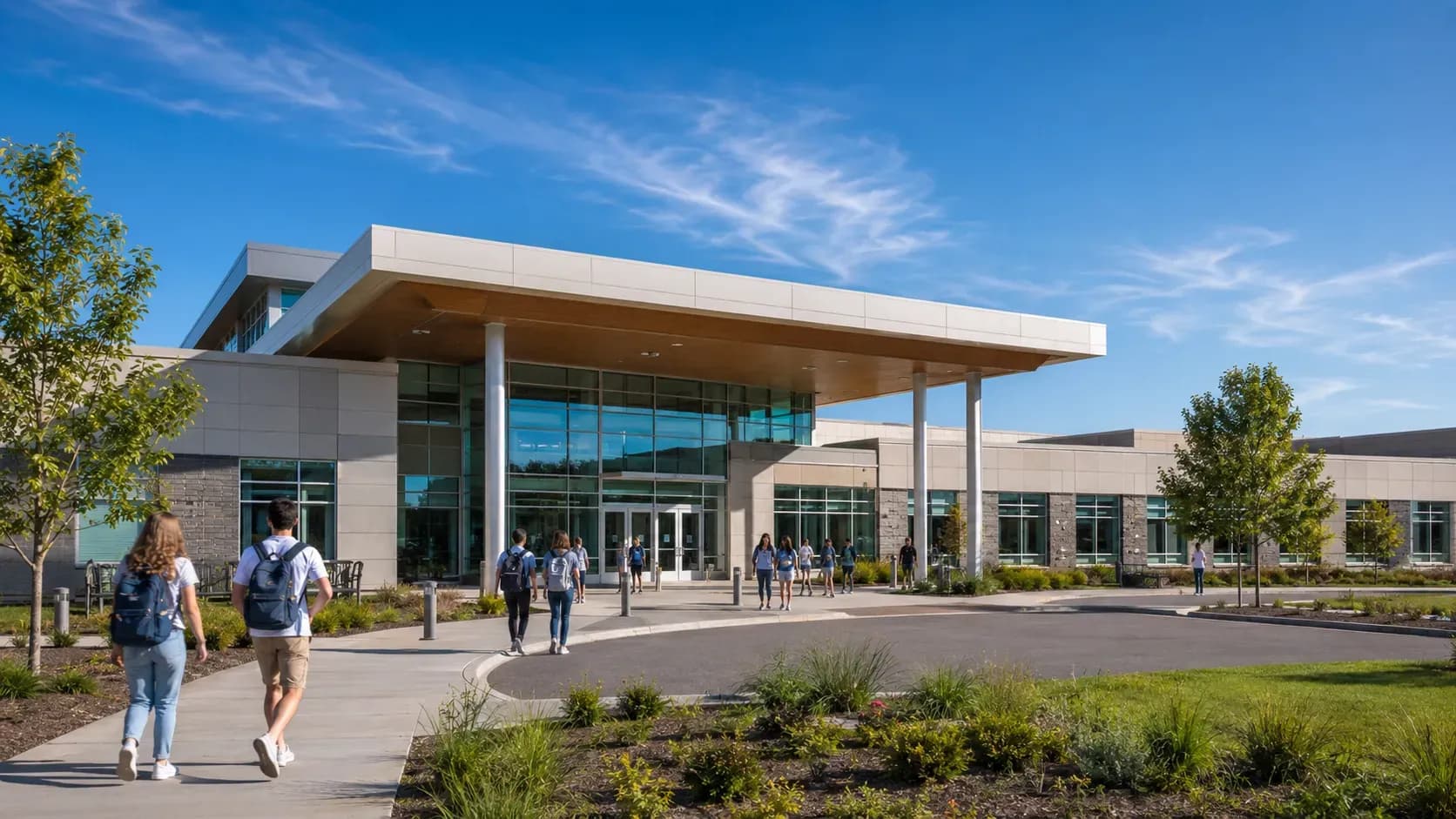
Roughly 75% of U.S. schools have outlived their useful life, and nearly 5 million students attend substandard schools. An estimated 60,000 schools — about 46% — have environmental conditions that create poor air quality.
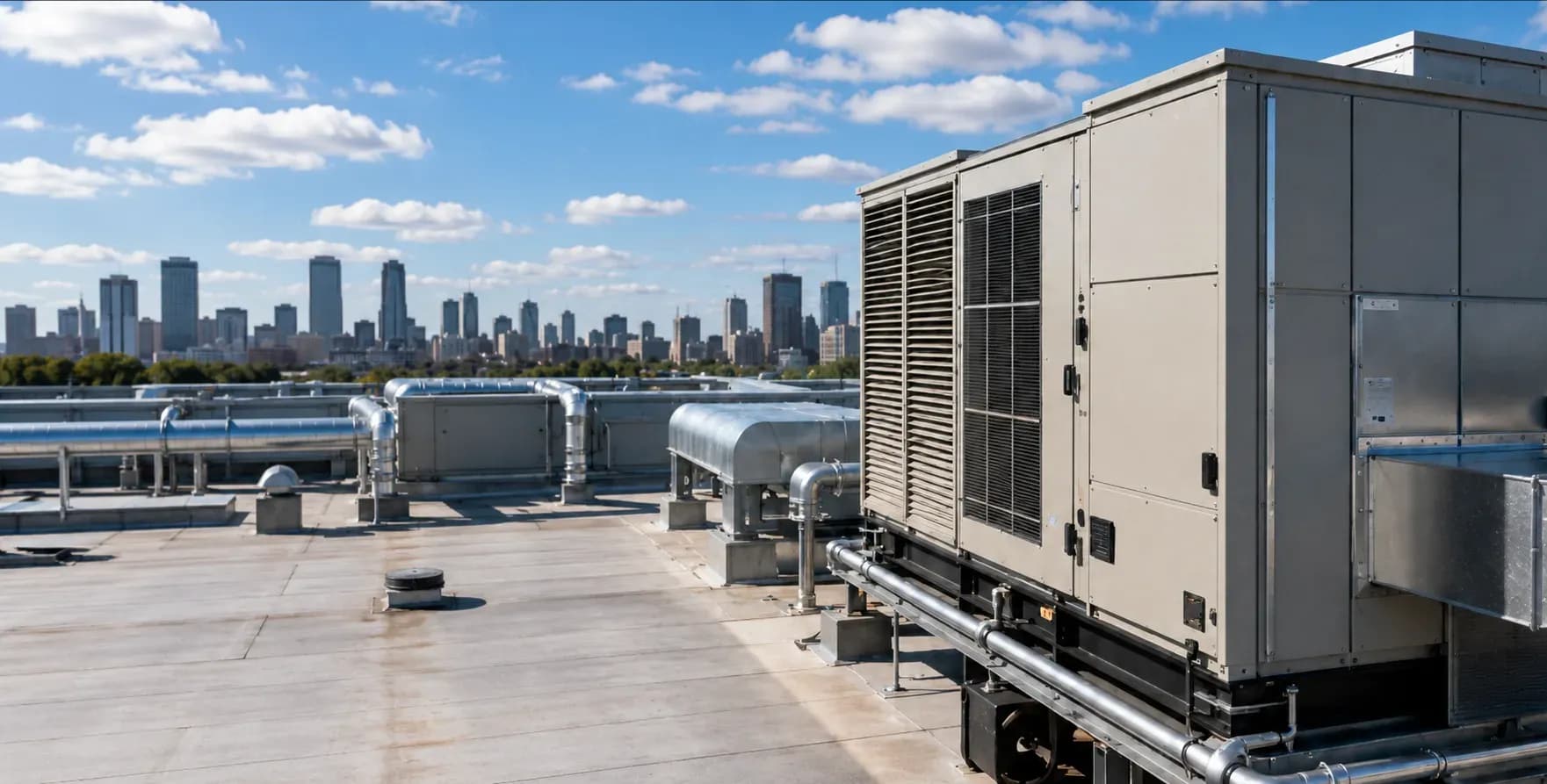
When a roof leaks, it doesn’t just mean a repair bill; it opens the door to mold, which compounds the air quality problem further.
It’s not just a comfort issue
Biological agents in indoor air are linked to three categories of illness: infections, where pathogens directly invade tissue; hypersensitivity diseases, where the immune system overreacts; and toxicosis, caused by biologically produced toxins.
Conditions like dampness and water damage — the kind caused by a failing roof — have been directly tied to respiratory symptoms in building occupants.
The classroom is a uniquely high-exposure environment
Micro-organisms can survive well past 48 hours on surfaces and multiply from a single organism to a billion in just 18 hours under the right temperature and humidity — conditions that are, ironically, the same ones HVAC systems maintain for human comfort.
Studies have found the average classroom desk carries hundreds of times more bacteria than a toilet seat, and a teacher’s desk can be 20 times more contaminated than a student’s.
Why it matters beyond health
Poor air quality doesn’t stay contained to sick days. Research shows that improving indoor air quality decreases respiratory-related illness, positively impacts student attendance, reduces the spread of colds and flu, and reduces the severity of asthma symptoms — asthma being the leading cause of student absenteeism, affecting roughly 1 in 10 kids.
Teachers have the highest incidence of asthma of any profession, and teacher absences directly correlate with reduced student performance.
The financial angle school boards actually respond to
For a district with 50,000 students, every 1% improvement in attendance can generate millions of dollars for the maintenance and operations budget.
When you factor in reduced substitute teacher costs, reduced medical costs, and reduced energy waste from poorly maintained HVAC systems, indoor air quality stops looking like a “nice to have” and starts looking like a budget line with real ROI.
Before spending on new technology, the first step is understanding what’s actually driving air quality problems in a specific building — leaks, ventilation gaps, filtration, or all three.